How Much Does A Commercial Elevator Cost?

Jump to section
A commercial elevator (6/6/6) usually costs between $50,000 and $200,000, depending on the type, size, and building design. Smaller buildings might cost closer to $5,000 to $10,000, while high-rise or custom installations can jump past $1 million. These prices cover equipment, installation, and the safety features that commercial buildings need.
Elevator cost depends on several things—number of floors, capacity, and technology used, like hydraulic, traction, or machine-room-less systems. Installers and maintenance pros often point out that long-term costs like maintenance and inspections matter a lot for total ownership.
This guide breaks down average commercial elevator costs, types available, and what really pushes prices up or down. You’ll also find info on maintenance and some practical tips for keeping project budgets in check.
What is a commercial elevator?
A commercial elevator is a vertical transportation system designed to carry passengers or goods within commercial buildings such as office buildings, hotels, shopping centers, hospitals, and industrial facilities. Unlike home lifts, commercial elevators are engineered to meet higher performance, safety, and capacity standards regulated by local building codes and accessibility guidelines (such as the EN81-20/50/70).

What is the most popular type of commercial elevator?
A traction elevator is the most popular type of commercial elevator. The elevator operates using steel ropes or belts connected to a counterweight system. The motor drives a sheave (pulley) that moves the car up and down within the shaft. A traction elevator is the go-to option for commercial settings for the following four reasons.
- High speed: Suitable for mid‑ to high‑rise buildings; faster than hydraulic systems.
- Energy efficiency: Reduces energy consumption through the counterweight mechanism.
- Smooth ride quality: Provides a quiet, comfortable travel experience for passengers.
- Supports tall buildings: Can serve 20+ floors efficiently.

Machine room elevator
Among traction elevators, the machine room traction elevator is the type most favored by mid-rise buildings.
An MR elevator is a kind of Machine Room elevator that positions its drive system in a separate overhead space.
The benefits of MR elevators are as follows:
- Superior maintenance accessibility
- Higher speeds for tall buildings
- Greater load capacity
- Simpler emergency rescue
Hydraulic elevators use a piston driven by pressurized hydraulic fluid to raise and lower the elevator car. Hydraulic elevators are favored by strong lifting power, lower initial installation cost, and simple maintenance, often used for freight elevators.

What Are Average Commercial Elevator Cost?
The average commercial elevator cost usually falls between $30,000 and over $500,000, depending on building type, elevator size, and the installation needs.
Industry numbers and contractor quotes show that small commercial units cost way less than big, custom systems. Initial installation means paying for the elevator itself, hoistway construction, electrical work, and labor. This chunk eats up most of the budget. Panoramic elevators can hit $70,000 to $10,000 or more. By comparison, residential elevators are smaller and simpler, often costing $20,000 to $50,000.
Commercial elevators have to meet stricter codes, handle heavier loads, and run more often, which drives costs up. Ongoing costs like maintenance, inspection, and repairs add up over time. Most commercial elevators need monthly maintenance, and the price depends on local usage scenarios and service contracts.
What are the Key Factors Influencing Commercial Elevator Pricing?
Below are some key factors influencing commercial elevator pricing:
- Building Height and Number of Stops
- Capacity and Size
- Speed
- Elevator Decoration
- New Built vs. Modernization
- Control mode: Single elevator, collective selection, destination floor
Building Height and Number of Stops
Building height and number of stops are one of the biggest cost drivers of an elevator.
Building height decides what kind of elevator and structure you need. Taller buildings call for traction elevators with counterweights and advanced hoists, which cost more than the hydraulic setups in short buildings.
More floors mean longer shafts, more wiring, and beefier support beams. All that makes installation trickier and slower.
Capacity and Size of the Elevator
Capacity plays a huge role in the final price. A small two-person lift for occasional use costs a lot less than a beefy freight elevator designed for heavy loads. Bigger cabs need stronger motors, wider shafts, and heavy-duty parts, so material and installation costs go up.
Most commercial passenger elevators handle 1,500 to 6,800 pounds. Each jump in weight capacity can add thousands to the bill because you need beefier cables, doors, and safety gear.
Design matters too. A wider or deeper cab might force you to tweak the building’s structure, and that means extra engineering and construction fees.
Speed of the Elevator
Speed affects price because faster elevators need advanced motors, control systems, and safety features.
A typical hydraulic elevator moves at about 150 feet per minute (fpm). Traction elevators in tall buildings can hit 500 fpm or more. Faster means you need precision engineering, stronger cables, and smoother brakes. These all boost comfort and safety, but also the price.
For most low- to mid-rise commercial buildings, moderate speeds are fine and save money. High-speed models make sense mainly in high-rise offices or hotels where time really matters.
Elevator Decoration
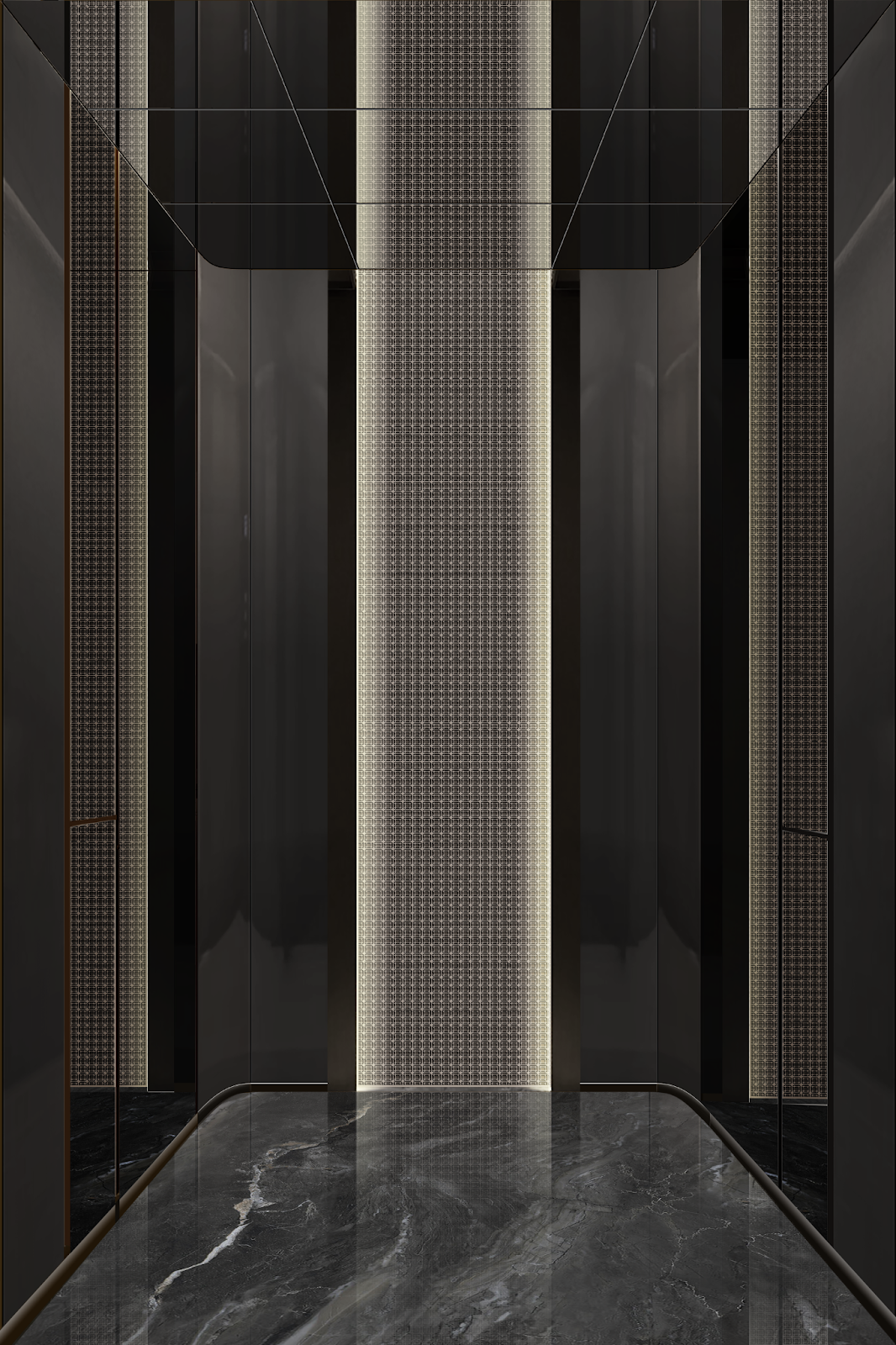
How you finish the inside really impacts the cost. Basic stainless‑steel walls and PVC floors are pretty affordable. In fact, the price difference caused by different interior finishes can sometimes exceed the cost of the elevator itself.
Want glass panels, wood veneers, or stone tiles, lighting, mirrors, and custom handrails? Also nudge the price. Designers often match finishes to the building’s vibe or brand, especially in hotels or upscale office spaces.
New Built vs. Modernization
Putting an elevator in a new building usually costs less than retrofitting one into an old place. With new builds, you can plan the shaft and machine room from the start, so there’s less hassle and labor.
Elevator modernization might mean cutting through floors, shoring up walls, or rerouting utilities. That adds time and money unavoidably.
Older buildings sometimes need electrical upgrades or asbestos cleanup before you even start. Because of all this, retrofits can run 20–40% more than popping the same elevator into new construction.
Control mode
The control logic is a key driver of both elevator performance and cost. The Collective Selection mode is a robust and cost-effective standard solution for general traffic patterns.
The Destination Floor system, however, is a premium feature. It requires additional hardware in the lobby and sophisticated AI-based dispatching software. The investment translates directly into measurable efficiency gains: reduced average waiting times, increased handling capacity during peak hours, and enhanced security management. It’s chosen not just for moving people, but for optimizing the flow of people in high-demand environments.
Ongoing Costs and Maintenance
If you own a commercial elevator, expect monthly maintenance costs between $200 and $1,500 per elevator. The price depends on the elevator type, how much it gets used, your service contract, and where the building is. Regular maintenance keeps everything safe, reliable, and legal.
Typical ongoing expenses include:
- Routine inspections and lubrication
- Emergency repair services
- Software updates and safety checks
- Replacement of worn parts like cables, doors, and controls
Older elevators or those in busy buildings need more frequent service. Newer models with advanced controls can cost more to maintain because technicians need extra training, and the parts aren’t always off-the-shelf.
Does JOYLIVE Offer Turnkey Solutions, Financing, or Maintenance Contracts for Elevators?
Yes. Joylive offers turnkey (one‑stop) elevator solutions, flexible financing options, and comprehensive maintenance contracts.
1. Turnkey Solutions (One‑Stop Elevator Services)
Joylive provides complete elevator solutions covering every stage—from design, manufacturing, transportation, installation, and commissioning to after‑sales service. Depending on project needs, turnkey packages can also include civil works, shaft construction, and interior decoration services. This “all‑in‑one” model saves clients time and effort because Joylive manages all processes with unified planning and quality control. It’s an ideal choice for developers, contractors, and building owners seeking efficient and coordinated elevator projects.
2. Financing Options
Joylive supports clients through flexible financing solutions designed to reduce the upfront costs of elevator procurement and installation. Financing options may include installment payments or cooperation with banks and financial institutions to arrange loans. This helps customers—especially real estate developers or public institutions like hospitals and schools—optimize cash flow while ensuring timely installation.
3. Maintenance Contracts
Joylive offers professional elevator maintenance contracts to ensure long‑term safety and reliability. Clients who sign a maintenance agreement receive regular inspections, preventive servicing, and timely repairs from certified technicians. Contracts typically include services such as annual inspections, 24‑hour emergency response, and on‑site troubleshooting, guaranteeing consistent elevator performance and compliance with safety standards.
FAQ
How much does an elevator cost for a 6-story building?
For a six-story commercial building, lsi usually needs a traction or machine-room-less (MRL) elevator. These systems handle taller travel distances more efficiently than hydraulic models.
Installation costs often run from $ 20,000 to $100,000, depending on speed, size, and design. If commercial buildings need higher-end systems with advanced controls or energy-saving tech, the price can go higher.
What is the average price range for a basic commercial elevator installation?
Most folks find that a standard commercial elevator installation lands somewhere between
$ 20,000 to $100,000.
Factors such as on-site civil works, schedule coordination, and delivery lead time can all lead to additional increases in the total project cost.
Want to Know More About Our Products?
View All Products Now