Elevator Maintenance Checklist – Covering All Items
Jump to section
A home elevator is a big convenience. It moves people, groceries, and laundry between floors with ease. But like any machine, it needs regular care to stay safe.
This guide gives you a full elevator maintenance checklist. You will learn what to check each month, what a technician handles, and how often to book service. Use it to keep your elevator smooth, quiet, and reliable for years.
Why Regular Elevator Maintenance Matters
A small problem today can turn into a costly repair later. Routine care catches issues early, before they grow.
Good maintenance also keeps riders safe. It lowers the risk of trip hazards at the doors, jerky starts, and stalls between floors. For an elevator you use every day, that matters a lot.
Regular service has three main benefits:
- Safety. It keeps doors, brakes, and sensors working as they should.
- Lower costs. It stops small issues from turning into major breakdowns.
- Longer life. It protects parts and extends the life of your elevator.
How Often Should You Service a Home Elevator?
Maintenance works best on a set schedule. Here is a simple plan.
| Task | How Often | Who Does It |
| Quick visual and ride check | Monthly | Homeowner |
| Technician touchpoint | Quarterly (if advised) | Certified technician |
| Full safety inspection and service | At least once a year | Certified technician |
A certified technician should complete a full inspection and service at least once a year. Your installer may suggest extra visits if you use the elevator often. Always follow the schedule your dealer recommends.
Monthly Homeowner Checklist (Safe DIY Checks)
These checks are quick and safe to do yourself. They take only a few minutes. They also help you spot problems early.
Once a month, run through this list:
- ☐ Take one ride up and down. Listen for new scraping or rattling.
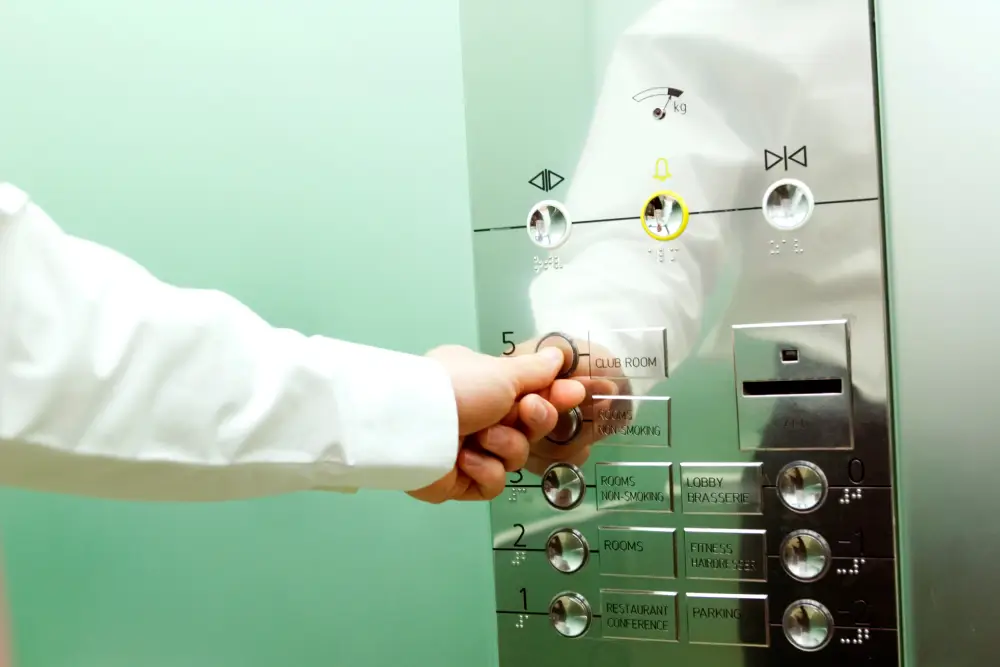
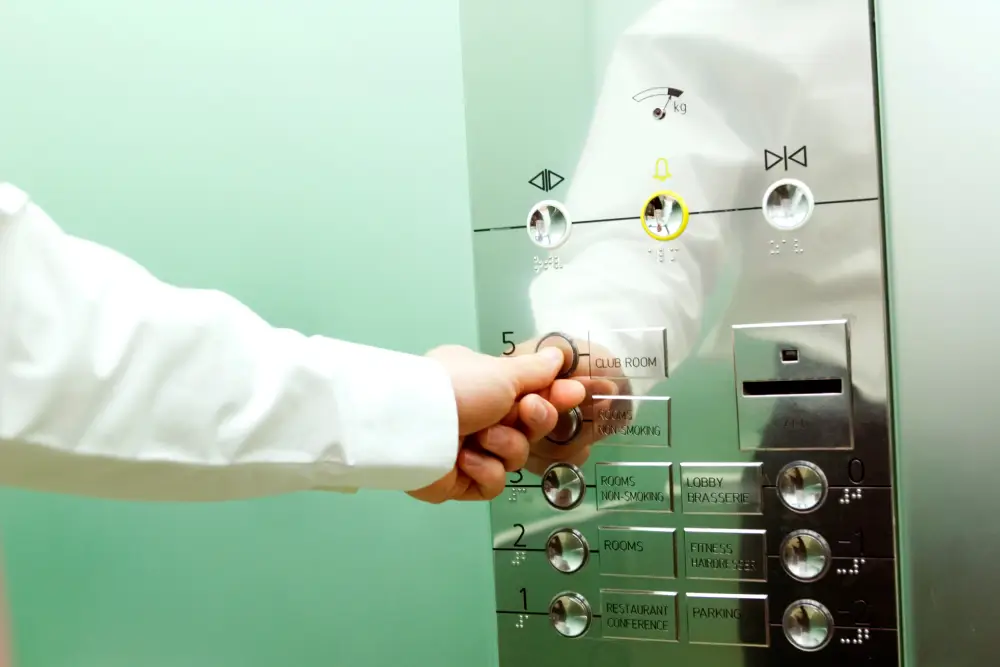
- ☐ Press each floor button. Confirm they respond.
- ☐ Check that the floor indicators change as expected.
- ☐ Test the alarm button.
- ☐ Test the emergency phone or intercom. Make sure it connects.
- ☐ Open and close the doors. They should move freely, with no obstruction.
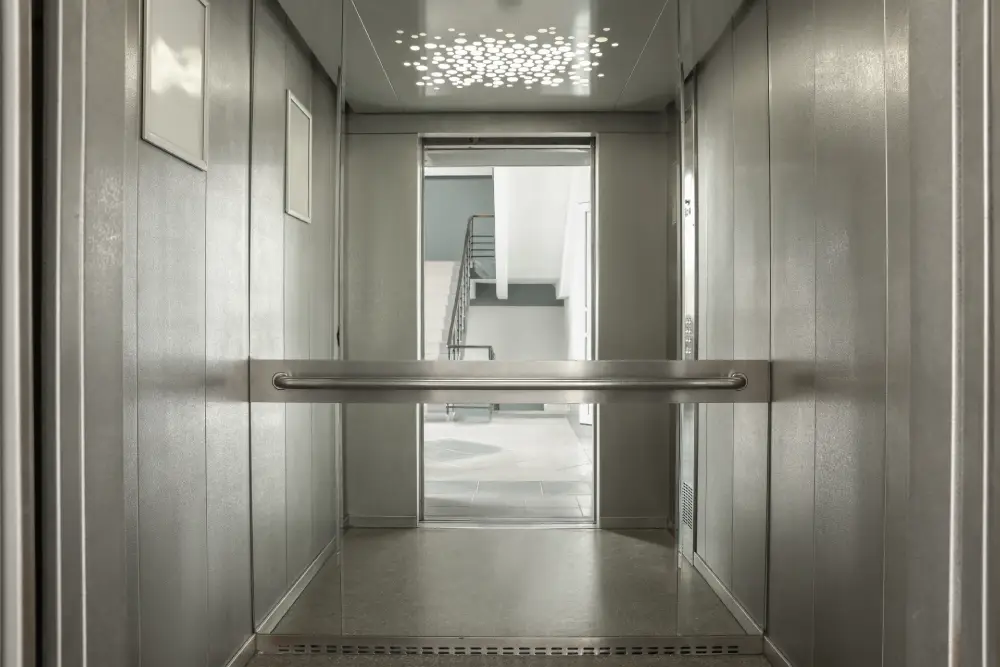
- ☐ Look at the ceiling, handrails, and walls for damage.
- ☐ Make sure the cab light works.
If anything seems off, stop using the elevator. Call your technician before riding again.
What You Should Not Do Yourself
Some tasks are not safe for homeowners. Leave these to a trained technician.
- Do not adjust safety devices. This includes interlocks, sensors, and brakes.
- Do not change the elevator lights. Your dealer or installer handles this.
- Do not open the hoistway or machine space. These areas are for technicians only.
- Do not ignore a warning sign. If the elevator feels wrong, stop and call for service.
When in doubt, call a pro. A quick phone call is always safer than a guess.
The Professional Maintenance Checklist — What a Technician Covers
A technician’s visit goes much deeper than your monthly check. They inspect, test, clean, and adjust the whole system. Here is what a full service covers.
Cab and Controls
The technician checks the inside of the car. This includes the buttons, the floor indicators, and the ventilation. They confirm the cab light works and the control panel is in good shape.
Doors and Safety Sensors
Doors are a common source of problems. The technician checks door timing and closing force. They test the interlocks and light curtains that stop the doors on contact.
Drive System and Machinery
This is the heart of the elevator. The technician reviews the controller diagnostics for any fault trends. They tighten fasteners and check the moving parts. They also clean and lubricate components as needed.
Emergency and Backup Systems
Backup systems matter most when something fails. The technician tests the emergency phone or intercom. If your elevator has battery lowering or emergency descent, they confirm it works.
Hoistway, Pit, and Rails
The technician inspects the shaft, the pit, and the guide rails. They check the travel cables and look for wear. They also make sure these areas stay clean and clear.
The Annual Safety Inspection — What to Expect
The yearly visit is the most thorough of all. A certified technician handles every part of the system.
A full annual service usually includes:
- A complete inspection of all parts
- Adjustment of doors, controls, and moving parts
- Testing of safety systems
- Cleaning and lubrication
- Written documentation of the work
That paperwork matters. It keeps your maintenance records current and easy to follow.
Codes and Records You Should Know
Home elevators follow safety codes. The main one is ASME A17.1, paired with CSA B44 in Canada.
Section 8.6 of this code calls for a written Maintenance Control Program. It also requires current maintenance records. In short, the work must be planned and documented.
Some areas also require periodic tests, witnessed by an inspector. Rules vary by location. Your service provider can explain what your area needs.
You do not need to memorize the codes. Just make sure your technician follows them and keeps clear records.
How to Keep Good Maintenance Records
Good records make every future service faster. They also help a technician fix the right problem.
Keep a one-page checklist near the elevator. The inside of a utility cabinet door works well. On it, note:
- The date of each check or service
- Any noises or odd behavior you noticed
- Repairs or parts that were replaced
Clear notes help your technician understand the elevator’s history. That saves both time and money.
Warning Signs Your Elevator Needs Service Now
Some problems should not wait for the next scheduled visit. Call a technician right away if you notice:
- New scraping, grinding, or rattling sounds
- Jerky or rough starts and stops
- The cab stalling between floors
- Doors that are slow or do not close fully
- Buttons or indicators that do not respond
- A burning smell or flickering lights
These signs point to a problem that needs a trained eye. Stop using the elevator until it is checked.
Your Quick Elevator Maintenance Checklist
Here is the full checklist in one place. Print it and keep it near your elevator.
Every month (homeowner):
- ☐ Ride up and down; listen for new sounds
- ☐ Test all buttons and floor indicators
- ☐ Test the alarm and emergency phone
- ☐ Check that doors open and close freely
- ☐ Inspect the cab for damage
- ☐ Confirm the cab light works
Every year (technician):
- ☐ Full inspection of all parts
- ☐ Door timing, closing force, interlocks, and sensors
- ☐ Controller and drive system check
- ☐ Backup power and emergency descent test
- ☐ Hoistway, pit, and rail inspection
- ☐ Cleaning, lubrication, and adjustment
- ☐ Written service record
Frequently Asked Questions
How often does a home elevator need servicing? A certified technician should service it at least once a year. You should do a quick visual check every month. Heavy users may need more frequent visits.
Can I maintain a home elevator myself? You can do basic checks, like testing buttons and listening for noise. But you should never adjust safety devices or open the hoistway. Leave repairs and adjustments to a trained technician.
Are home elevator inspections required by law? In many areas, yes. Codes like ASME A17.1 call for a maintenance program and current records. Some places also require periodic inspections. Check your local rules with your service provider.
What does elevator maintenance cost? Cost depends on your elevator type, location, and service plan. Many homeowners use an annual service contract. Ask your installer for a quote.
Want to Know More About Our Products?
View All Products Now