Passenger Elevator vs. Freight Elevator: Key Differences and Selection Guide
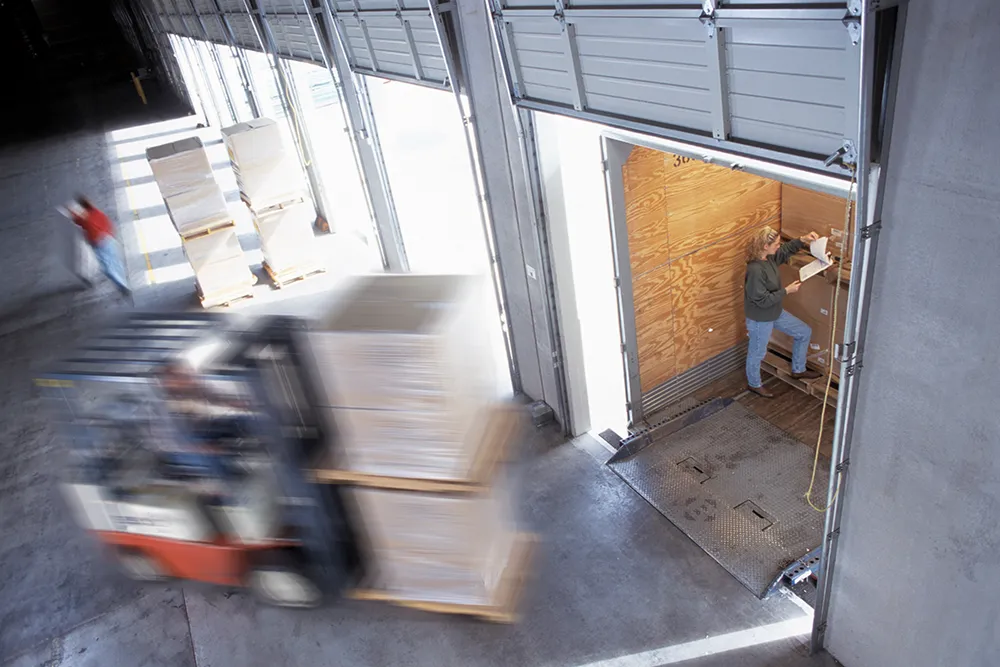
Jump to section
Elevators play a vital role in building design and daily use. However, many people do not understand the differences between passenger and freight elevators. This article defines their basic definitions and primary uses. We will compare the key differences in load capacity, design, speed, and safety regulations to help you make the right choice.
What Is a Passenger Elevator?
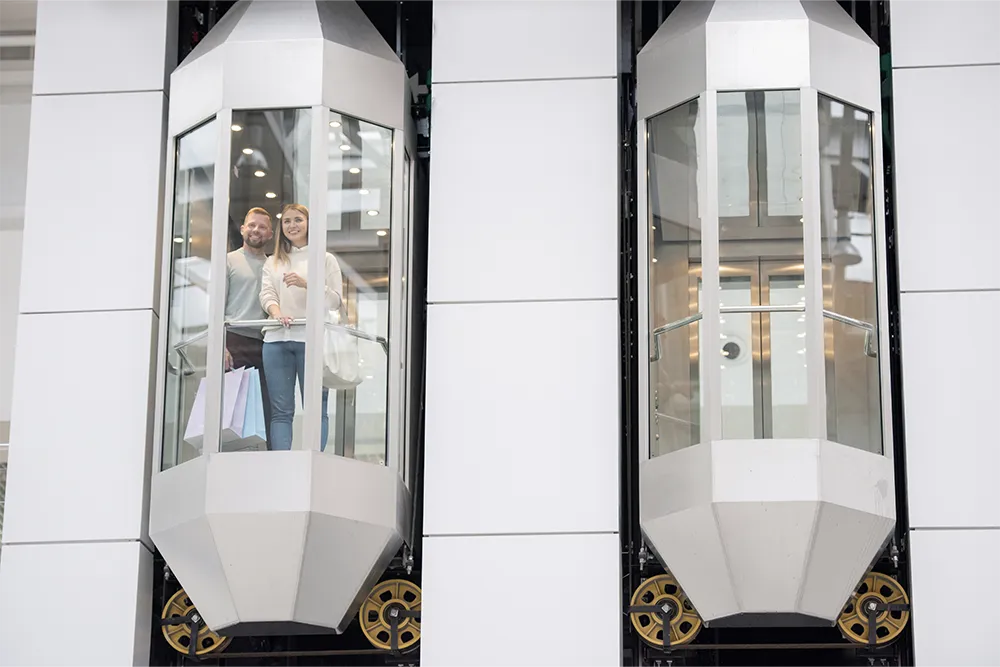
A passenger elevator is a machine designed specifically to transport people.
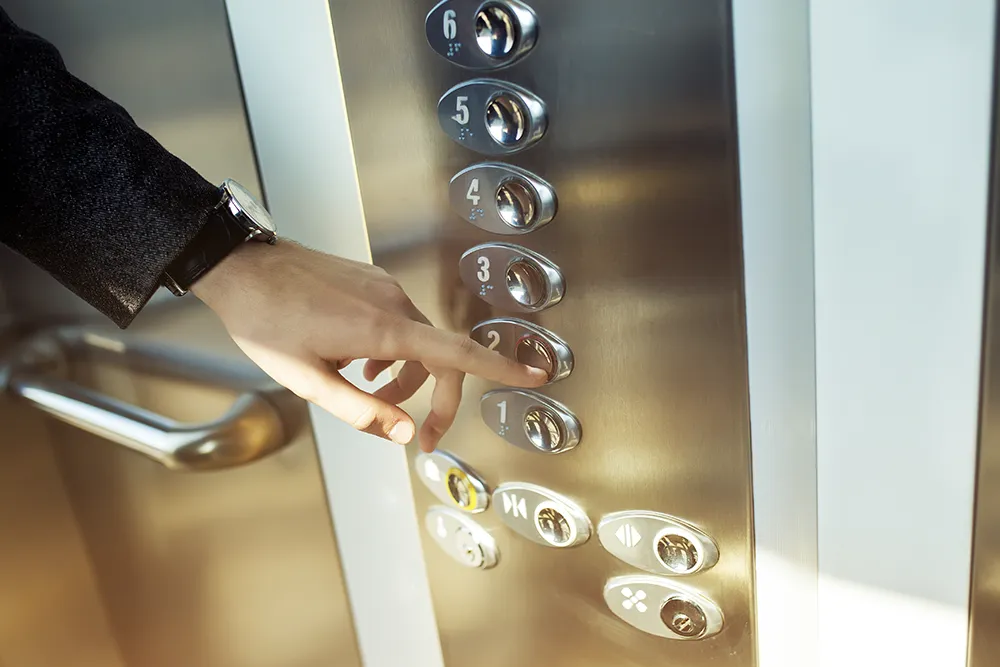
This elevator type prioritizes comfort, efficiency, and safety. Engineers focus on aesthetic design and interior decoration. These units include accessibility facilities like braille buttons and voice announcements. They provide smooth operation and high travel speeds.
What Is a Freight Elevator?
A freight elevator is a machine designed to transport goods, equipment, or heavy loads.
This elevator type uses heavy-duty materials like wear-resistant steel plates to handle daily wear. It features larger cabin spaces and wider door openings. The design focuses on high durability.
Key Differences Between Passenger and Freight Elevators
The primary differences involve load capacity, travel speed, and door systems.
Load Capacity
Freight elevators carry heavy industrial or storage loads. Standard capacities range from 1,000kg to over 5,000kg.
Passenger elevators carry loads based on the number of people. Typical capacities range from 450kg (6 people) to 1,600kg (21 people).
Speed and Efficiency
Passenger elevators focus on high efficiency to reduce wait times. Common speeds range from 1.0m/s to 4.0m/s. High-rise models can exceed 10m/s.
Freight elevators focus on stability and safety. Speeds usually stay between 0.25m/s and 1.0m/s.
Door Systems and Safety Configuration
The two elevator doors use different opening methods and safety logic.
Opening Types:
Passenger elevators use automatic center-opening or side-opening doors for quiet operation.
Freight elevators use vertical bi-parting doors or manual gates to maximize width for forklifts.
Safety Features:
Passenger elevators use sensitive protection like light curtains. Infrared systems detect obstacles and reopen doors instantly to prevent pinching.
Freight elevators prioritize structural robustness and impact resistance. Doors use thickened steel and bumper rails to prevent damage from cargo or forklifts.
Safety Logic:
Freight units use mechanical interlocks to ensure the circuit only connects when doors fully lock. Constant pressure operation requires operators to hold the close button while watching the door area. This method ensures the area is clear of forklifts or people.
Design and Aesthetics
Passenger cabins feature mirrors, marble, or wood finishes to improve the visual experience.
Freight cabins feature industrial designs. The walls have bumper rails and the floors use checkered steel plates for slip resistance.
Key Safety Specifications for Passenger & Freight Elevators
Regulatory standards like GB7588 or ASME A17.1 define specific safety parameters for elevators.
The following table summarizes the technical differences between these systems:
| Aspect | PassengerElevator | Freight Elevator | Simply Put |
| Load Class | Class A (Distributed): Designed for evenly distributed weight (people). | Class C (Concentrated): Designed for the dynamic load of a forklift. | Passenger units fear “point” pressure; Freight units resist “heavy” pressure. |
| Single Load Limit | Max 25% of rated load per item. | Up to 100% of rated load per item (Class C3). | Freight units can carry a single heavy machine up to the total limit. |
| Door Closing Force | Max 150N (approx. 15kg). | No mandatory limit in constant pressure mode. | Passenger doors are soft; Freight doors are strong shields. |
| Safety Gear | Progressive: Buffers the stop like car ABS (0.2g-1.0g). | Instantaneous: Immediately locks rails (low-speed only). | Passenger units stop gently; Freight units stop abruptly. |
| Leveling Accuracy | ±10mm. | ±5mm with re-leveling function. | Freight units must stay perfectly level for forklift wheels. |
Cost Analysis for Freight and Passenger Elevators
Choosing an elevator involves analyzing initial costs and long-term operating expenses. In general, freight elevators require higher initial investment and maintenance than passenger elevators.
Upfront Capital Expenditure
Freight equipment costs more because of heavy material requirements.
Equipment Cost: A standard 1,000kg passenger unit costs $25,000 to $40,000. A 3,000kg freight unit costs $40,000 to $60,000.
Civil Work: Freight elevators require deeper pits and larger overhead spaces. These requirements increase construction costs by approximately 20%.
Maintenance and Operating Costs
Different usage patterns lead to varied energy and repair costs.
Energy Consumption: Passenger elevators use less energy per trip but run more frequently. Freight elevators use 15% to 25% more energy to lift the same weight.
Repairs: Passenger maintenance focuses on electronic components. Annual costs range from $1,500 to $3,000. Freight maintenance focuses on physical wear and forklift damage. Annual costs range from $2,000 to $4,000. Replacing damaged door systems can cost $2,000 to $5,000.
Lifespan: Passenger units last 20 to 25 years. Well-maintained freight units can last over 25 to 30 years.
Passenger or Freight Elevator: Choosing the Right One
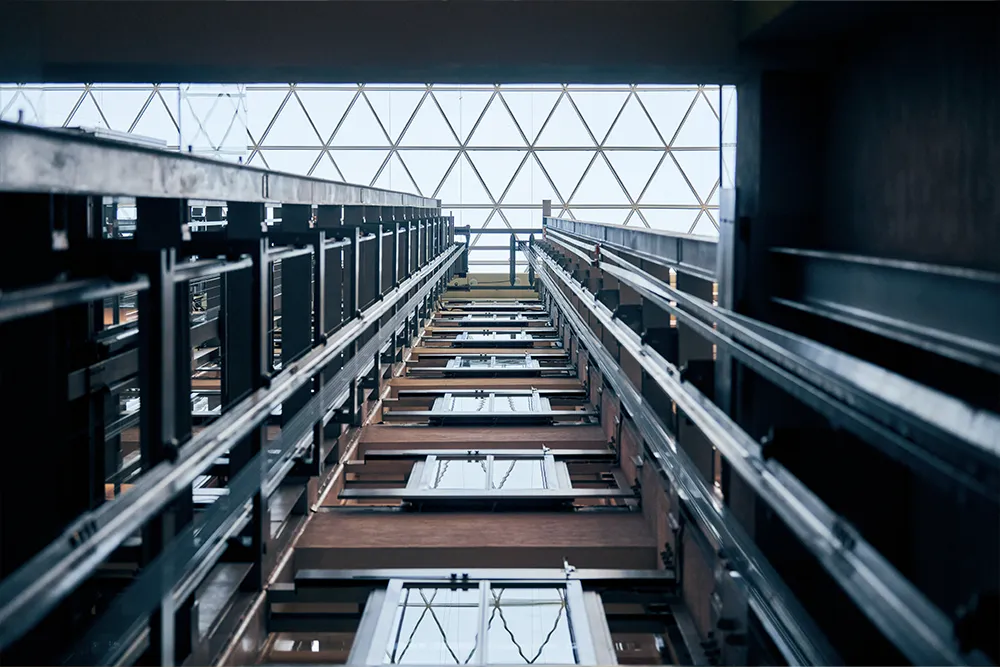
The application environment determines the best elevator for your project.
Match the elevator to the industry:
Passenger Elevator: Choose these for malls, offices, hotels, or residential areas.
Freight Elevator: Choose these for factories, warehouses, workshops, or logistics centers.
Partnership: Selecting a reliable manufacturer like Joylive improves building efficiency and safety.
FAQ
These answers address common questions about elevator functionality.
Can a freight elevator carry passengers?
No, pure freight elevators cannot carry people due to safety laws. You must follow local regulations and safety standards. Mixed-use elevators allow both passengers and goods if they meet specific certifications.
What is a service elevator?
A service elevator is a reinforced passenger elevator used for furniture or stretchers. These units are typically longer and stronger than standard passenger elevators. They appear most often in hotels and residential buildings.
Conclusion
Passenger elevators focus on the human experience while freight elevators focus on cargo efficiency. Both types maintain a balance between function and design. You should consult a professional manufacturer for a customized solution based on your building’s specific purpose
Want to Know More About Our Products?
View All Products Now