The 10 Best Elevator Companies in 2026 & How to Choose the Right One
Jump to section
Choosing an elevator company is one of the most important decisions for any building project. The right choice affects safety, cost, and long-term value for decades. Whether you are building a new high-rise, upgrading a residential complex, or planning a commercial development, the elevator you install will serve thousands of people every day. In this guide, we rank the top 10 elevator companies in 2026 based on market share, technology, global reach, and customer feedback. We also share key factors to help you pick the best partner for your project.
Top 10 Elevator Companies in 2026
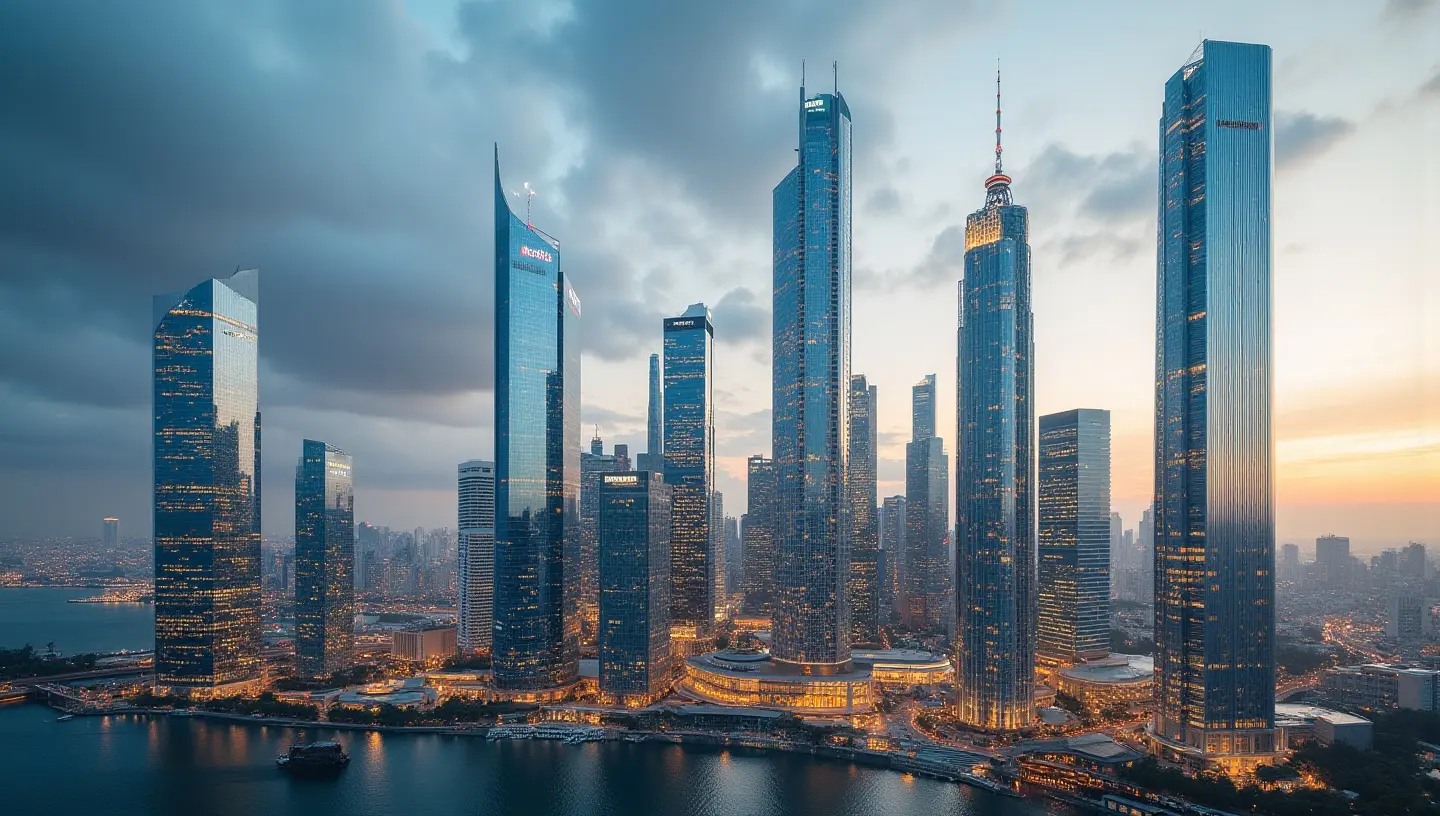
The global elevator market is worth over $87 billion in 2025 and continues to grow. The companies on this list lead the industry in innovation, safety, and service quality. Our ranking considers several factors: global market share, technological innovation, product range, service network coverage, and customer satisfaction ratings. Each company brings unique strengths to the table, from century-old engineering heritage to cutting-edge smart building solutions.
1. Otis Elevator Company
Otis is the world’s largest elevator company. Founded in 1853 in the United States, Otis invented the safety elevator and launched the modern vertical transportation industry. Today, the company is headquartered in Farmington, Connecticut, and operates in over 200 countries. With annual sales of about $14.4 billion and roughly 72,000 employees, Otis moves around 2.5 billion people every day.
Otis maintains approximately 2.5 million elevator and escalator units worldwide, making it the largest service portfolio in the industry. The company’s flagship Gen3 platform combines proven Gen2 technology with digital connectivity through the Otis ONE IoT system. This platform enables real-time performance monitoring and predictive maintenance. Otis is the best fit for large-scale projects, iconic buildings, and any client who values a proven global service network. In 2025, Otis won Elevator World’s Project of the Year award for its work at Incheon International Airport, where it installed 172 units across the expanded terminal.
2. KONE Corporation
KONE is a Finnish elevator and escalator company founded in 1910 and headquartered in Espoo, Finland. With annual sales of about EUR 11.2 billion and over 60,000 employees across nearly 70 countries, KONE is one of the most innovative players in the industry. The company maintains over 1.8 million units worldwide and serves close to 600,000 customers.
KONE stands out for its focus on people flow solutions and sustainability. Its UltraRope technology, a carbon-fiber hoisting system, enables elevator travel heights of up to one kilometer. This makes KONE the go-to provider for supertall buildings. In 2025, KONE won an order to equip Jeddah Tower in Saudi Arabia, the world’s first building to exceed one kilometer in height. The company also earned Red Dot Awards for its digital design solutions. KONE’s Rise strategy for 2025–2030 puts sustainability and innovation at the center of its growth plan. KONE is ideal for developers focused on green building standards and smart city projects.
3. Schindler Group
Schindler is a Swiss elevator company founded in 1874 and headquartered in Ebikon, Switzerland. The company employs over 70,000 people and operates in more than 100 countries. Schindler moves over one billion people every day with its elevators, escalators, and moving walkways. In the first half of 2025, revenue reached CHF 5.49 billion.
Schindler is known for Swiss precision engineering and its strength in urban transit solutions. The company’s PORT technology is an advanced destination-dispatch system that uses passenger recognition to personalize elevator experiences and optimize traffic flow in large buildings. In 2025, Schindler launched the Schindler 5000, a machine-room-less elevator for low- to mid-rise buildings, and debuted the Schindler X8 premium home elevator at Milan Design Week. Schindler is a strong choice for complex urban projects, transit hubs, and clients who value precision and intelligent traffic management.
4. Mitsubishi Electric
Mitsubishi Electric, headquartered in Tokyo, Japan, is a global leader in ultra-high-speed elevator technology. The company’s elevator division is part of the larger Mitsubishi Electric Corporation, which reported over $40 billion in total revenue in its most recent fiscal year. Mitsubishi Electric has a dominant presence in Asia and a growing footprint in the Middle East and other regions.
Mitsubishi Electric holds world records for elevator speed. Its elevators at the Shanghai Tower travel at 1,230 meters per minute, which is about 73.8 kilometers per hour. The company combines Japanese precision manufacturing with advanced safety features, including earthquake-detection systems that automatically bring elevators to the nearest floor during seismic events. Mitsubishi Electric is the best choice for supertall skyscrapers, high-speed applications, and projects that demand the highest engineering standards.
5. TK Elevator (Thyssenkrupp)
TK Elevator, formerly known as Thyssenkrupp Elevator, is headquartered in Dusseldorf, Germany. The company has about 50,000 employees and reported sales of EUR 9.3 billion in its most recent fiscal year. TK Elevator was separated from Thyssenkrupp AG in 2020, when investment firms Advent and Cinven acquired it in a deal worth EUR 17.2 billion.
TK Elevator brings strong German engineering expertise and a focus on innovation. The company developed MULTI, the world’s first rope-free elevator system that can move both vertically and horizontally using magnetic levitation technology. TK Elevator also introduced the EXO Renew Series, which uses 28% less energy than previous models and can run entirely on renewable energy. In 2025, TK Elevator secured a 10-year service contract with Dubai Airports. The company is well suited for clients who want cutting-edge technology and energy-efficient solutions.
6. Hitachi Elevator
Hitachi Elevator, a subsidiary of Hitachi Ltd., is headquartered in Tokyo, Japan. Hitachi is a major player in the Asian elevator market and has a growing global presence. The company produces passenger and freight elevators, escalators, and moving walkways for commercial, residential, and public infrastructure projects.
Hitachi’s strength lies in smart building integration. The company’s elevator systems connect with building management platforms to optimize energy use, traffic flow, and maintenance scheduling. In 2024, Hitachi’s Taiwan subsidiary secured an order for 147 elevators and escalators for the Taipei MRT system. Hitachi is a strong choice for smart building projects, transportation hubs, and large-scale developments in Asia and beyond.
7. Fujitec
Fujitec is a Japanese company founded in 1948 and headquartered in Hikone, Shiga Prefecture, Japan. Unlike some competitors that are divisions of larger conglomerates, Fujitec focuses entirely on vertical transportation. The company designs, manufactures, installs, and maintains elevators, escalators, and moving walkways worldwide.
Fujitec’s advantage is its specialization and flexibility. Because vertical transportation is its only business, the company can respond quickly to customer needs and adapt solutions for mid-size and niche projects. In 2023, Fujitec India received a 538-elevator order for large-scale residential developments in Gurgaon. Fujitec is ideal for developers who need a focused, responsive partner for residential complexes, shopping centers, and mid-rise commercial buildings.
8. Hyundai Elevator
Hyundai Elevator, headquartered in Seoul, South Korea, is part of the Hyundai Group. The company was founded in 1984 and has grown into one of Asia’s largest elevator manufacturers. Hyundai Elevator produces around 4,500 units per year and serves markets across Asia, the Middle East, Europe, and the Americas.
Hyundai Elevator offers a strong balance of quality and cost-effectiveness. The company leverages Korea’s advanced manufacturing capabilities to deliver reliable products at competitive prices. In 2025, Hyundai Elevator partnered with Samsung C&T to develop third-generation modular elevator technology for buildings up to 500 meters tall. This system uses over 70% prefabricated components to reduce construction time and improve safety. Hyundai Elevator is a great option for cost-conscious developers who still want reliable performance and modern technology.
9. Toshiba Elevator
Toshiba Elevator and Building Systems Corporation is based in Tokyo, Japan, and operates as a subsidiary of Toshiba Corporation. The company has a long history in the Japanese market and maintains a strong reputation for reliability and technical excellence.
Toshiba’s elevators are widely used in commercial buildings, hospitals, hotels, and transit systems across Japan and other Asian markets. The company focuses on energy-efficient drive systems and smooth ride quality. Toshiba’s predictive maintenance technology uses sensor data and AI to identify potential issues before they cause downtime. For building owners who prioritize reliability and long-term operating efficiency, Toshiba is a trusted choice, especially in the Japanese and broader Asian markets.
10. Joylive Elevator
Joylive Elevator Co., Ltd. (Stock Code: 833481) is a leading Chinese elevator manufacturer founded in 2002 in Kunshan, Suzhou, China. The company has grown rapidly from a domestic manufacturer into a globally recognized brand. Joylive operates two manufacturing centers covering 105,000 square meters and can produce up to 18,000 elevator and escalator units per year. The company has been publicly listed on the Chinese stock exchange since 2015.
Joylive stands out for its combination of smart technology, competitive pricing, and extensive customization capabilities. The company’s product line includes the Joycity series for commercial passenger elevators, the Joylife series for residential use, the Joyvilla line for home elevators, and the Joylogi range for freight applications. Joylive also offers escalators and moving walks under the Joywalk brand. The company’s Joycloud IoT platform provides 24-hour remote monitoring and predictive maintenance for all connected units.
Joylive holds certifications including CE, ISO 9001, and Chinese top-tier special equipment manufacturing qualifications. The company’s sales and service network now covers many countries, including markets in Europe, the Americas, Oceania, Southeast Asia, the Middle East, and Africa. Joylive has earned recognition as a national high-tech enterprise and a Jiangsu Famous Brand. With strong growth momentum and a focus on delivering high-quality solutions at competitive prices, Joylive is quickly becoming a global contender that deserves attention from developers and building owners worldwide.
Key Factors to Consider When Choosing an Elevator Company

Selecting an elevator company is a long-term investment decision. An elevator typically lasts 20 to 30 years, so your choice will affect building operations, maintenance costs, and passenger safety for decades. Before you commit to any provider, carefully evaluate the following factors to make sure you get the best value for your project.
Safety Standards and Certifications
Safety is the most important factor in any elevator purchase. Look for companies that hold key certifications such as CE marking (required for European markets), ISO 9001 (quality management systems), EN 81 (European safety standards for elevator construction and installation), and ASME A17.1 (the American standard for elevator safety). These certifications are not optional extras. They represent the minimum standard for safe elevator operation.
A reputable elevator company should be able to provide full documentation of its safety certifications. Ask about regular third-party audits, testing procedures, and compliance with local building codes. Companies that invest in safety beyond minimum requirements, such as earthquake-detection systems, fire-resistant designs, and emergency communication features, show a genuine commitment to passenger protection.
Product Quality and Technology
The quality of core components, such as traction machines, control systems, door operators, and safety devices, directly affects elevator performance and lifespan. Look for companies that use advanced variable-voltage variable-frequency (VVVF) drive systems, which provide smooth acceleration and braking while saving energy. Permanent magnet synchronous motors (PMSM) are another sign of quality, as they are more efficient and require less maintenance than older motor types.
Smart control systems that use IoT connectivity, real-time monitoring, and predictive maintenance can significantly reduce downtime and repair costs over the elevator’s lifetime. Leading companies now offer cloud-based platforms that track elevator performance 24 hours a day and alert service teams before problems occur. Energy regeneration systems, which capture braking energy and feed it back to the building’s power grid, are another technology worth considering for long-term savings.
Customization Capabilities
Different building types have different elevator needs. A hospital requires smooth, quiet operation with wide doors for stretcher access. A luxury hotel needs premium cabin finishes and quiet performance. A warehouse needs heavy-duty freight capacity. A residential villa needs compact design and aesthetic appeal. The right elevator company should offer flexible customization for cabin size, door type, interior materials, control systems, and special features.
Ask whether the company offers OEM and ODM services, custom branding options, and the ability to adapt elevator layouts to unique shaft dimensions. Companies that can tailor solutions to your exact project requirements will save you time and money compared to providers that only offer standard configurations.
After-Sales Service & Maintenance Support
An elevator requires regular maintenance throughout its entire life. Look for companies that offer comprehensive maintenance contracts, fast emergency response times (ideally within 2 to 4 hours for urgent issues), and reliable spare parts supply. A strong global or regional service network means technicians and parts are always available when you need them.
Ask about the company’s service coverage in your area. How many local technicians do they employ? Do they have a local parts warehouse? What is the average response time for service calls? Companies with extensive maintenance networks can keep your elevators running smoothly and minimize downtime, which protects your investment and keeps passengers safe.
Cost-Effectiveness & Value
The cheapest elevator is rarely the best value. When comparing prices, consider the total cost of ownership over the elevator’s full lifecycle, which includes the purchase price, installation costs, energy consumption, annual maintenance fees, and eventual modernization expenses. A low upfront price can lead to higher long-term costs if the elevator requires frequent repairs, consumes excessive energy, or becomes obsolete quickly.
Look for companies that offer a strong balance of quality and price. Energy-efficient designs can save thousands of dollars per year in electricity costs. Reliable components reduce repair frequency and downtime. Extended warranties and comprehensive maintenance packages provide additional protection for your investment. Always evaluate the total value, not just the initial price tag.
Why Joylive Elevator Is Gaining Global Recognition
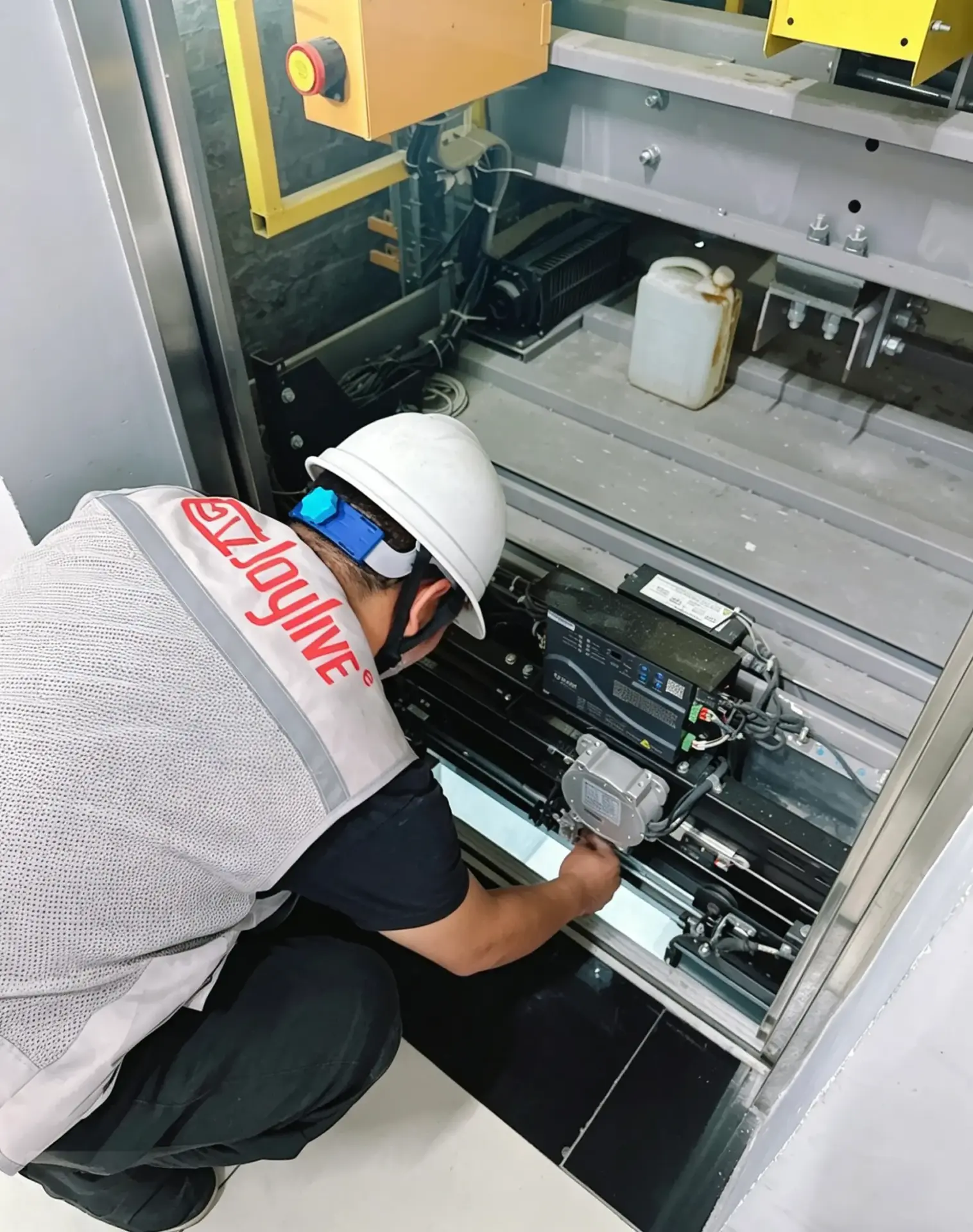
Among the many elevator companies competing for global market share, Joylive Elevator has emerged as one of the fastest-growing brands in recent years. Combining Chinese manufacturing efficiency with advanced technology and a customer-first approach, Joylive is earning trust from developers and building owners on every continent. Here is a closer look at what sets Joylive apart.
Innovative Technology & Smart Solutions
Joylive has invested heavily in smart elevator technology. The company’s Joycloud IoT platform connects every installed unit to a centralized monitoring system. This platform collects real-time data from sensors throughout the elevator, including door operations, motor performance, ride quality, and safety system status. Using this data, the system can predict maintenance needs before breakdowns occur, reducing downtime by up to 40%.
The platform also offers remote diagnostics, allowing Joylive’s technical team to identify and solve many issues without dispatching a technician on site. Joylive’s elevators feature VVVF drive technology and energy-regeneration systems that feed braking energy back into the building’s power supply. These features lower energy consumption by approximately 30% compared to conventional elevator systems. For building owners and property managers, this translates into meaningful savings on utility bills every year.
Comprehensive Product Range
Joylive offers a full line of vertical transportation products to cover virtually every building type and application. The Joycity series serves commercial high-traffic environments such as office towers, shopping centers, and hotels. The Joylife series is designed for residential buildings with a focus on comfort, quiet operation, and attractive cabin designs. The Joyvilla line caters to the growing home elevator market, offering compact, stylish lifts for private residences and villas.
For industrial and logistics applications, the Joylogi series provides heavy-duty freight elevators with load capacities up to 20,000 kilograms. Joylive also manufactures escalators and autowalks under the Joywalk brand for retail, transit, and public venue applications. This comprehensive product range means clients can source all of their vertical transportation needs from a single provider, simplifying procurement, installation coordination, and long-term maintenance.
Customer-Centric Approach
Joylive places strong emphasis on customization and responsive service. The company offers full OEM and ODM capabilities, meaning clients can customize everything from cabin materials (glass, wood, leather, stainless steel) to door configurations, control systems, and branding. This level of flexibility is especially valuable for hotel chains, luxury developments, and projects with unique design requirements.
Joylive’s global service network now spans over 100 countries. The company provides online technical guidance, a 12-month warranty after installation, and dedicated after-sales support teams in key markets. Joylive’s after-sales service has earned a Five-Star certification in China, reflecting the company’s commitment to fast response times and customer satisfaction. Whether you are in Southeast Asia, the Middle East, Africa, or Oceania, Joylive’s team is ready to support your project from design through the entire lifecycle of the product.
Competitive Pricing Without Compromising Quality
One of Joylive’s greatest advantages is its ability to deliver high-quality products at competitive prices. The company’s manufacturing center in Kunshan, with a combined area of 105,000 square meters, use intelligent automation systems to achieve efficient, high-volume production. This manufacturing scale, combined with Joylive’s location in China’s well-developed elevator supply chain ecosystem, allows the company to control costs without cutting corners on quality.
Joylive holds all major international certifications, including CE, ISO 9001, and top-tier Chinese special equipment manufacturing qualifications. The company has also earned CNAS laboratory accreditation for its testing facilities. Clients get the peace of mind that comes with certified quality at a price point that stretches their project budget further. For developers working in cost-sensitive markets, Joylive offers one of the best quality-to-price ratios in the global elevator industry.
FAQs
How Much Does a Commercial Elevator Cost in 2026?
A commercial elevator (6/6/6) usually costs between $50,000 and $200,000, depending on the type, size, and building design. Smaller buildings might cost closer to $5,000 to $10,000, while high-rise or custom installations can jump past $1 million. These prices cover equipment, installation, and the safety features that commercial buildings need.
What Certifications Should a Quality Elevator Company Have?
A quality elevator company should hold several key certifications. CE marking is required for elevators sold in the European market and demonstrates compliance with essential health and safety requirements. ISO 9001 certification confirms that the company operates a quality management system that meets international standards. EN 81 is the European standard that covers safety rules for the construction and installation of elevators and escalators. ASME A17.1 is the equivalent American safety standard.
Beyond these core certifications, look for additional credentials such as CNAS laboratory accreditation (for testing facilities), local building code compliance certifications, and industry-specific approvals for special applications like hospital or explosion-proof elevators. Joylive Elevator holds CE, ISO 9001, top-tier Chinese special equipment manufacturing licenses, and CNAS accreditation, providing full confidence in product quality and safety.
Conclusion
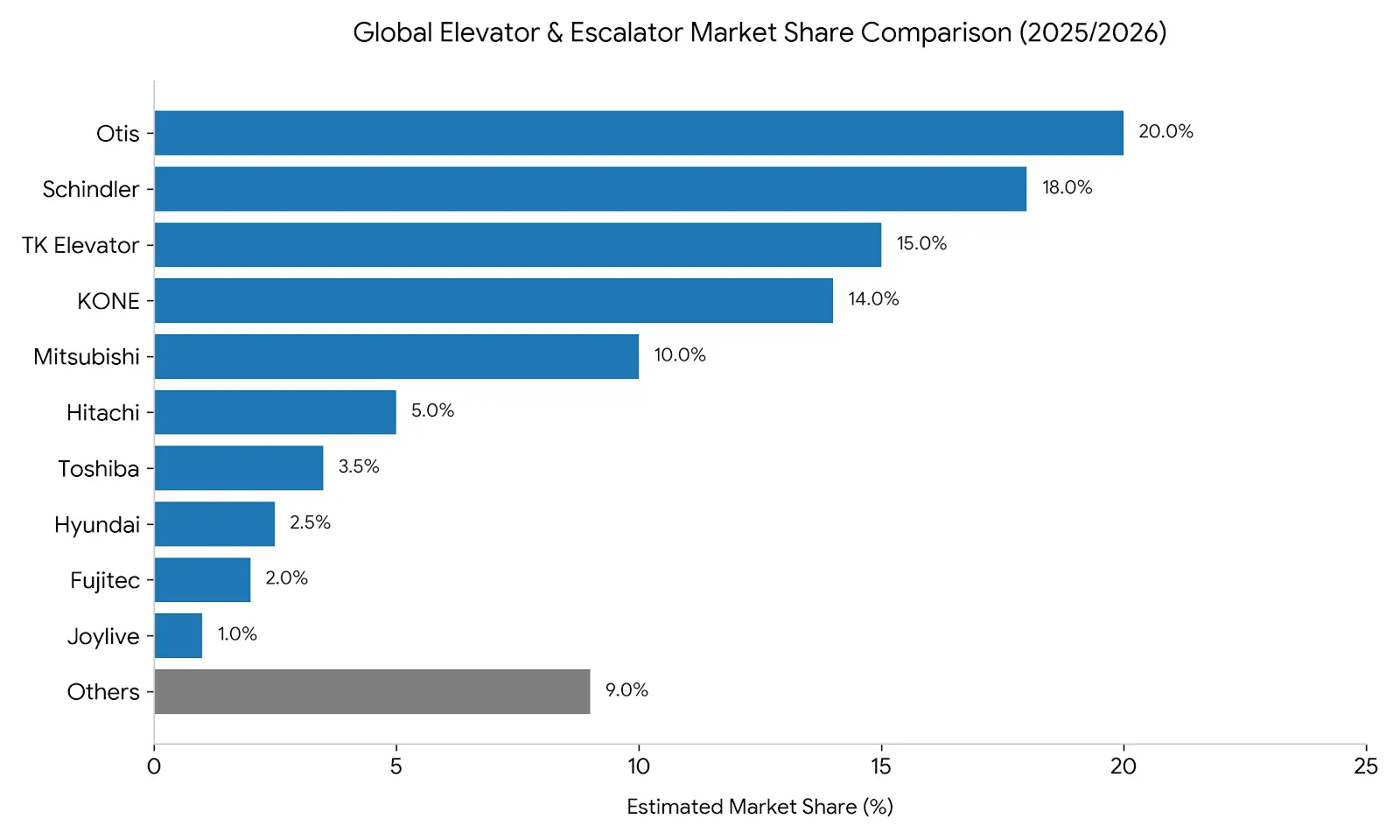
The global elevator industry in 2026 is driven by smart technology, sustainability, and growing urbanization. The 10 companies profiled in this guide represent the best the industry has to offer, from established giants like Otis and KONE to innovative challengers like Joylive Elevator. Each company brings unique strengths, whether it is Otis’s unmatched global service network, KONE’s ultralight hoisting technology, Schindler’s intelligent traffic management, or Joylive’s remarkable combination of smart technology, customization, and competitive pricing.
When choosing an elevator company, remember to evaluate safety certifications, product quality, customization capabilities, after-sales service, and total lifecycle cost. The right partner will not only deliver a safe and reliable elevator but also support your building’s operations for decades to come.If you are looking for a reliable elevator partner that offers certified quality, innovative smart technology, and excellent value, Joylive Elevator deserves a place on your shortlist. Visit joylive.com to explore their full product range, request a quote, or connect with their global sales team. Your next building project deserves the best in vertical transportation.
Want to Know More About Our Products?
View All Products Now