How Much Does a Home Elevator Cost? Complete Pricing & Factors Guide
Jump to section
A home elevator typically costs between $30,000 and $100,000 in 2025, depending on the type, size, and installation requirements. This price includes both equipment and labor, with most homeowners spending around $65,000 for a standard model. While the investment may seem high, it can greatly improve accessibility, safety, and property value, especially for those planning to age in place.
Installing a home elevator involves more than just adding convenience—it’s a decision that affects design, functionality, and long-term maintenance. Costs vary based on factors like the number of floors, the type of lift system, and whether the project is a new build or retrofit. By understanding these details, homeowners can plan smarter and avoid unexpected expenses.
This guide explains average home elevator costs, types of systems available, installation factors, and ongoing maintenance needs. It also covers practical ways to manage costs and ensure a safe, efficient installation. With insights from industry data and trusted sources, it helps homeowners make informed decisions before starting their project.
What Are Average Home Elevator Cost?
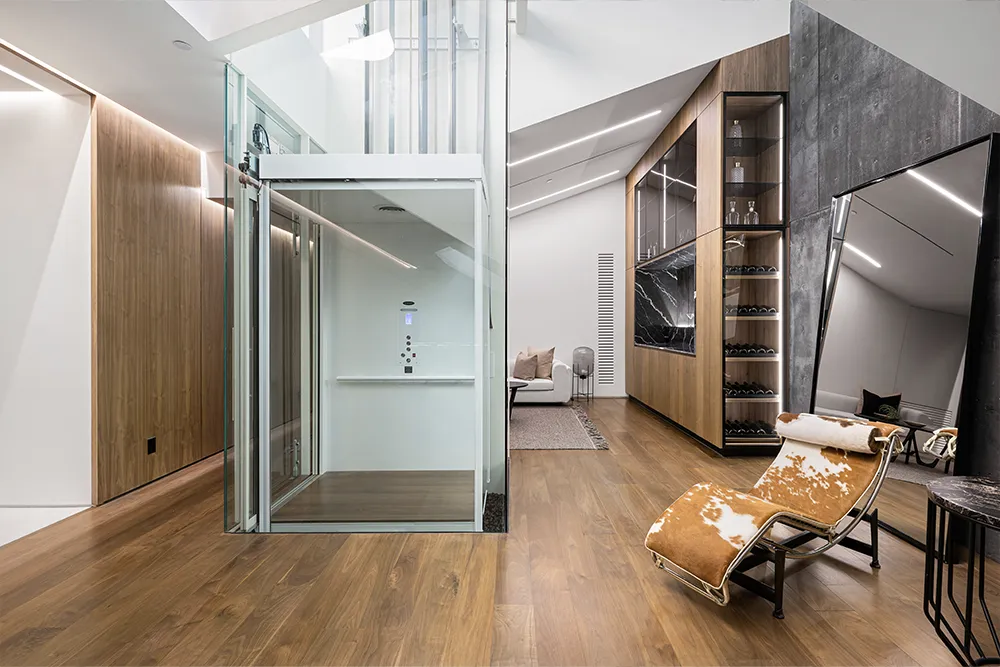
In 2025, most homeowners will spend between $30,000 and $65,000, though prices can range from $20,000 to over $100,000.The average home elevator cost depends on the type, size, design, and installation needs.
Installing a residential elevator in a new home usually costs less than adding one to an existing structure. Labor and construction work often add $5,000 to $15,000 to the total price. Custom finishes, extra floors, or complex layouts can raise costs further.
Small or single-person home elevators, such as compact models from Lifton or Stiltz, often start around $25,000 to $33,000 installed. Larger or luxury systems can exceed $100,000, especially when built with high-end materials or advanced features.
Annual maintenance costs usually range from $800 to $1,400. Regular servicing helps keep the elevator safe, reliable, and up to code.
What are the Types of Home Elevators?
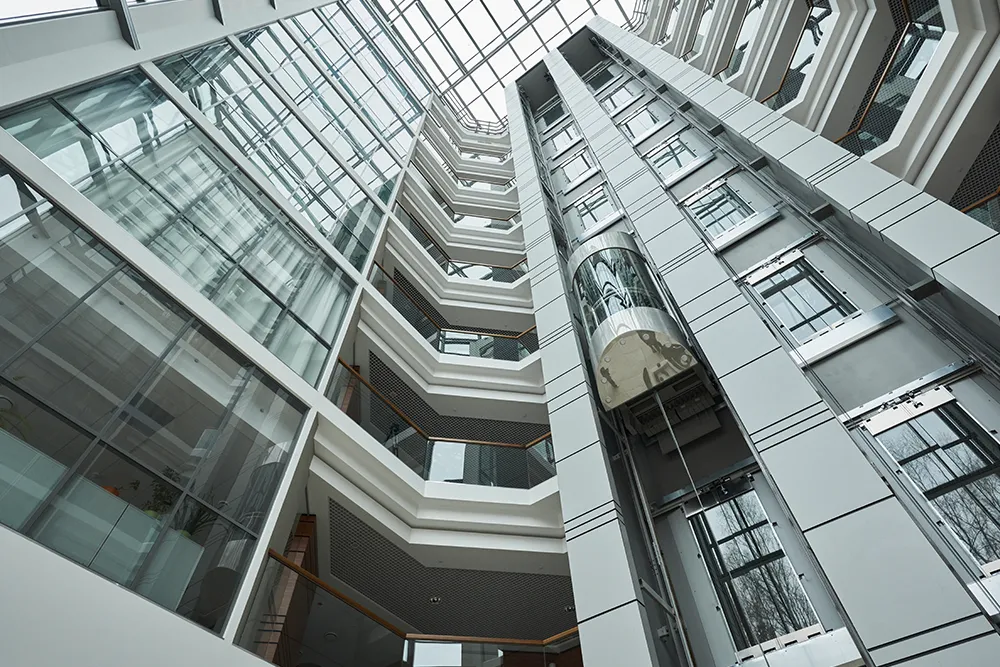
Home elevators come in several designs that use different lifting systems. Each type varies in cost, space needs, and installation complexity. Understanding how these systems work helps homeowners choose the best fit for their space and mobility needs.
The types of home elevators comes in:
- Traction Elevator
- Hydraulic Elevator
- Pneumatic Elevator
- Cable-Driven Elevator
Traction Elevator
A traction elevator lifts the cab using steel ropes or belts that move over a traction sheave powered by an electric motor. There are two main types: geared traction elevators and gearless traction elevators.
Hydraulic Elevator
A hydraulic elevator uses a piston and fluid pressure to move the cab up and down. This type is common in residential elevators because it offers smooth, quiet operation and strong lifting power. It supports heavier loads and can serve multiple floors.
Pneumatic Elevator
A pneumatic elevator, also called a vacuum elevator, moves using air pressure inside a vertical tube. This design does not need cables or a shaft, making it ideal for smaller homes or retrofits.
Cable-Driven Elevator
A cable-driven elevator uses steel cables wound around a drum or pulley to lift and lower the cab. This type is one of the most traditional residential elevator systems and can fit various home layouts.
What are Key Factors Affecting Home Elevator Cost?
There are several key factors affecting home elevator cost:
- Number of Floors and Travel Distance
- Customization and Finishes
- New Construction vs. Retrofit
- Permits and Inspections
Number of Floors and Travel Distance
The number of floors an elevator serves directly affects cost. Each additional stop usually adds $5,000 to $10,000 due to extra materials, wiring, and setup time.
Longer travel distance requires taller elevator shafts and stronger support framing. In multi-level homes, this can increase both equipment and labor expenses.
Systems with more stops also need more precise calibration and safety checks. A basic two-stop model is often the most affordable, while four- or five-stop systems can raise total costs by 25–40%.
Customization and Finishes
A custom home elevator allows owners to choose finishes, lighting, and control options that match the home’s design. These upgrades can add $5,000 to $20,000 or more, depending on materials and technology.
Common premium features include glass panels, wood veneers, and touchscreen controls. Custom cab sizes or doors that align with existing hallways also increase expense because they require nonstandard fabrication.
Buyers should weigh cost against daily use. A simple, durable finish may suit most homes, while luxury designs are often chosen for high-end properties or visible installations.
New Construction vs. Retrofit
Installing an elevator during new construction is usually more cost-effective than adding one later. Builders can plan the elevator shaft, machine room, and electrical connections in advance, avoiding demolition or structural changes.
A retrofit installation often requires cutting through floors and reinforcing framing. This can add $10,000–$30,000 or more depending on the home’s layout and materials.
Homeowners should also consider space limitations. Compact or shaftless models reduce renovation work but may have smaller cabins and lower weight capacities.
Permits and Inspections
Most areas require permits before installation, costing $500 to $2,000 depending on location. Local building permits and inspections ensure that home elevators meet safety and accessibility standards.
After installation, inspectors verify that the system follows electrical and mechanical codes. Some regions also require periodic re-inspections for ongoing certification.
Failing to obtain proper permits can delay installation or cause compliance issues when selling the property. Working with licensed contractors familiar with local requirements helps prevent costly setbacks.
Ongoing Costs and Maintenance
Joylive recommends professional maintenance at least once per season. The average cost ranges from $300 to $760 per year, depending on elevator type, usage, and service contract terms. Hydraulic systems often cost more to maintain than pneumatic or traction models.
Labor often accounts for a large portion of maintenance expenses. Certified technicians usually charge $75–$100 per hour, and service contracts can reduce long-term costs by bundling visits and emergency coverage.
Homeowners can perform basic upkeep, such as cleaning cab surfaces and checking for debris, but technical tasks like adjusting cables or testing safety systems should be handled by professionals. Regular maintenance helps extend the elevator’s lifespan and supports the investment made during home elevator installation.
How to Save Cost for Home Elevator Projects?
There are some methods of saving the cost for home elevator projects:
- Make efficient designs
- Select a shaftless or vertical platform model
- Get multiple quotes from licensed installers
- Sign a service contract
- promptly handle elevator repair
- limit custom features
Homeowners can lower elevator expenses by planning carefully and choosing efficient designs. Installing an elevator during new construction costs less than retrofitting one into an existing home because fewer walls and systems need modification.
Selecting a shaftless or vertical platform model can also reduce costs. These designs require less structural work and use simpler equipment, making them ideal for smaller homes or two-story layouts.
Labor and site preparation often add up quickly. Getting multiple quotes from licensed installers helps compare fair pricing. Some contractors offer bundled packages that include permits and inspections at a lower overall rate.
Maintenance costs include regular inspections and minor tune-ups that keep the elevator safe and reliable. Signing a service contract, usually costing $200–$350 per year, can prevent expensive breakdowns later.
When needed, elevator repair should be handled promptly to avoid larger mechanical issues. Simple parts replacement or lubrication is usually affordable, while ignoring wear can lead to higher repair bills.
Homeowners can also save by limiting custom features. Basic lighting, standard doors, and simple finishes maintain function without inflating the price.
How to Install a Home Elevator?
Installing a home elevator means adding a vertical lift system that moves people or items between floors. The process depends on the type of elevator, the home’s structure, and whether it’s new construction or a retrofit.
The installation steps includes:
- Site Assessment
- Design and Permitting
- Construction and Installation
- Inspection and Maintenance
Step 1: Site Assessment: A licensed contractor or elevator specialist inspects the home to decide where the elevator will fit.
Step 2: Design and Permitting: The installer works with the homeowner and local authorities to design the layout and secure permits.
Step 3: Construction and Installation: Workers prepare the site by cutting openings, building a shaft (if needed), and installing power lines. The elevator cab, drive system, and control panels are then assembled and tested.
Step 4: Inspection and Maintenance: After installation, inspectors verify safety compliance before the elevator is approved for use. Regular maintenance—usually $800 to $1,400 per year—keeps the system reliable and reduces elevator repair needs.
Should I reserve a shaft for home elevators? What is the optimal size?
Yes, you should reserve a shaft if you are building a multi-story home. When planning a multi‑story residence, it’s highly recommended to pre‑reserve an elevator shaft during construction. The reasons are as follows:
- Better sound insulation: Concrete and masonry walls absorb vibration and reduce noise between floors.
- More attractive appearance: The elevator integrates seamlessly into the home’s interior design.
- Lower cost: Reserving the shaft early avoids future structural modifications.
If the shaft was not pre‑reserved, Joylive offers a prefabricated aluminum alloy shaft that’s quick to install, durable, and ideal for retrofit projects. The optimal size is shown below:
| Feature | Specification / Recommendation | Notes |
| Rough Opening | 5′ × 5′ (60″ × 60″) | Provides a clear inner space after drywall for standard home elevator cabs. |
| Pit Depth | 12″ – 14″ | Use waterproofed concrete pit at the bottom. |
| Overhead | 108″ (9 ft) | Measured from the top finished floor to the ceiling above. |
| Flooring | Temporary / Knock‑out | Allows later finishing after elevator installation. |
| Utilities | Clear zone | No pipes, ducts, or electrical wires should pass through the shaft area. |
| Structural Support | Independent joists | Avoid continuous beams crossing the shaft zone. |
Frequently Asked Questions
How does the cost of a shaftless home elevator compare to traditional models?
A shaftless home elevator is a compact lift that travels between two floors without a full hoistway. It generally costs $35,000 to $60,000, including installation.
A traditional home elevator with a full shaft or machine room usually ranges from $45,000 to $85,000 or more. Shaftless models are less expensive because they require fewer structural changes and less labor during installation.
What is the price difference between a home elevator and a commercial elevator?
A home elevator is designed for private residences and commonly costs $30,000 to $100,000, depending on type and customization.
A commercial elevator, built for heavier use and stricter safety codes, can cost $100,000 to $300,000 or more. It often requires larger equipment, higher weight capacity, and compliance with local building regulations, which increase both material and labor expenses.
What is the cheapest elevator to install?
An outdoor residential elevator is often the least expensive option because it attaches to a home’s exterior instead of requiring major interior remodeling. Installation costs average around $6,000, with total project costs typically under $20,000.
Among indoor systems, winding drum or through-the-floor elevators are also budget-friendly, starting near $20,000 to $35,000, depending on the number of floors and design features.
Want to Know More About Our Products?
View All Products Now