Comprehensive Guide to Passenger Elevator
Jump to section

A passenger elevator is a mechanical lift system designed to move people safely and efficiently between floors in a building. It improves accessibility, saves time, and enhances convenience in residential, commercial, and public spaces. From small apartment buildings to large skyscrapers, passenger elevators play a key role in modern architecture and building functionality.
This guide explains everything about passenger elevators—their types, features, installation process, and maintenance needs. It also clarifies how passenger elevators differ from service elevators, helping property owners, builders, and facility managers choose the right system for their space.
With insights from elevator industry standards and reliable manufacturers, this guide helps professionals and building owners understand essential specifications like capacity, speed, and safety. By the end, anyone planning, installing, or updating an elevator will know the practical details required for smooth, compliant, and cost-effective operation.
What are Passenger Elevators?
A passenger elevator is a mechanical system designed to move people vertically between floors in a building. It serves as a key form of vertical transportation, providing efficient and secure access in residential, commercial, and public spaces.
These elevators differ from service or freight lifts because they focus on comfort, safety, and accessibility rather than transporting heavy goods. Riders benefit from smooth acceleration, automatic doors, and simple controls that make operation intuitive.
Modern passenger lifts often include features that enhance both safety and convenience. These can include digital displays, emergency alarms, and energy-saving systems like regenerative drives. Some advanced models even connect to building management systems for remote monitoring and predictive maintenance.
Accessibility is central to passenger elevator design. Doors with wide openings, audible signals, and Braille buttons ensure usability for people with limited mobility. In urban environments, passenger elevators make multi-story buildings more inclusive and practical for everyone who uses them.
What are the Types of Passenger Elevators?
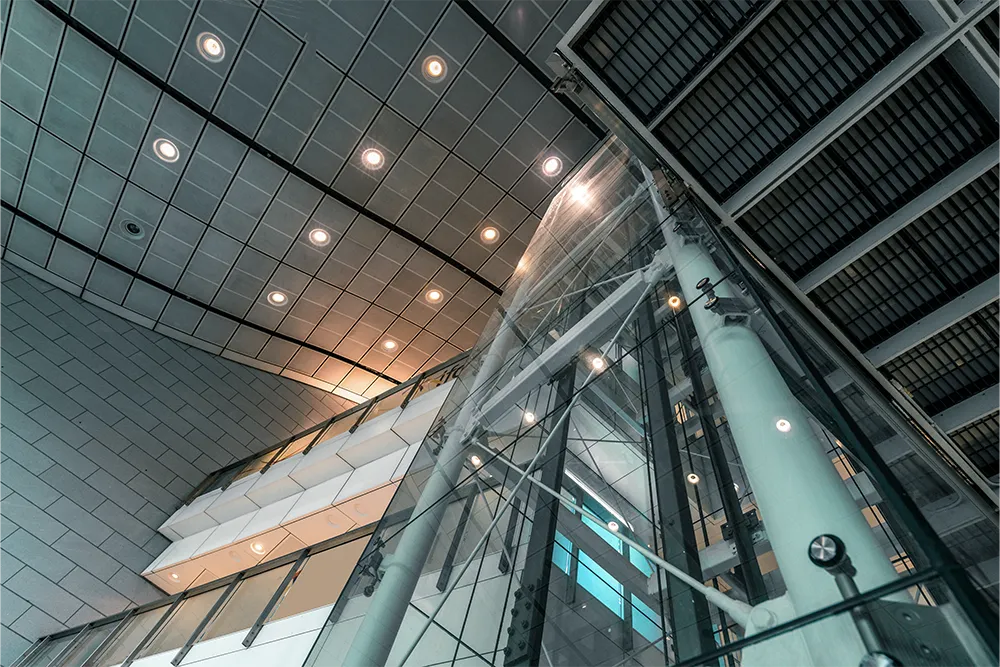
Passenger elevators can be classified into two major categories based on their driving mechanism and speed. Each type fits a specific building design, space requirement, and level of usage, combining safety, efficiency, and comfort for daily operation.
By Drive Type
Below are several types of passenger elevators classified by drive type:
- Traction lifts
- Hydraulic lifts
- machine-room-less (MRL) elevator
A traction lift is an elevator that is pulled by steel ropes or belts connected to an electric motor. It uses a counterweight to balance the car and reduce the amount of energy needed to move it. This type of lift runs smoothly and can travel at high speeds. It is commonly used in mid-rise and high-rise buildings.
A hydraulic lift is an elevator that is pushed upward by a hydraulic piston powered by a pump. It moves at slower speeds and is typically used in low-rise buildings. The system does not require a counterweight and usually has a machine room at the lowest level.
A machine-room-less (MRL) elevator is an elevator that does not require a separate machine room because its machinery is built into the hoistway. It saves building space and is often used in mid-rise structures.
By Speed Type
Below are several types of passenger elevators classified by speed type:
- Standard-speed elevators
- Mid-speed elevators
- High-speed elevators
A standard-speed elevator is an elevator designed to operate at moderate speeds suitable for low- to mid-rise buildings. These elevators offer smooth, comfortable travel and are commonly used in residential buildings, small offices, and hotels.
A mid-speed elevator is an elevator that operates faster than standard-speed models but is still intended for mid-rise buildings. These elevators are commonly used in office buildings, hospitals, and residential towers with moderate floor counts.
A high-speed elevator is an elevator designed to travel at very fast speeds to serve high-rise and super-tall buildings. These elevators significantly reduce travel time and are commonly found in skyscrapers, large commercial towers, and major hotels.
What are the Features of Passenger Elevators?
Important factors of passenger elevators include the elevator’s dimensions, capacity, speed, and cost, which together influence comfort, accessibility, and long-term operation. Passenger elevators include design, performance, and efficiency features that determine how well they serve people in different types of buildings.
Passenger Elevator Dimensions
Passenger elevator dimensions define the interior size of the cab and the shape of the shaft that houses it. The layout must balance available building space with user needs. Common small passenger elevators measure about 48 inches by 36 inches, while larger models can reach 80 inches by 54 inches or more.
Elevator size directly impacts accessibility. To meet ADA (Americans with Disabilities Act) requirements, door openings should typically be at least 36 inches wide, allowing wheelchairs to enter and turn easily. Buildings with higher occupancy rates may need custom dimensions to handle larger groups or specialized uses, such as hospital beds or luggage carts.
Passenger Elevator Capacity
Passenger elevator capacity refers to the maximum weight and number of people it can safely carry. Typical ratings range from 1,000 to 3,500 pounds, which usually equates to 4 to 20 passengers. High-rise or large commercial properties may require even higher capacities depending on traffic flow.
Load ratings are not arbitrary. Engineers calculate them based on motor strength, cable tension, and braking systems to prevent overload. Exceeding capacity reduces efficiency and can trigger safety alarms that temporarily disable the elevator.
Capacity also influences elevator type selection. For example, a hotel or office building with continuous use needs a medium or high-capacity elevator, while a small residential property may use a low-capacity model. Accurate planning ensures smooth operation and minimal wait times for building occupants.
Passenger Elevator Speed
Passenger elevator speed measures how quickly the cab travels between floors. Modern elevators operate in a range from 100 to 1,200 feet per minute (fpm), depending on height, building design, and intended use. Low-rise buildings usually use slower speeds under 200 fpm, while skyscrapers often use 500–1,000 fpm systems.
Fast elevators improve efficiency but require more advanced control systems to maintain a smooth ride. Features like variable-frequency drives (VFDs) manage acceleration and braking to reduce motion discomfort. Improved speed also helps manage heavy passenger traffic in busy buildings.
Energy efficiency becomes a factor at higher speeds, as faster systems consume more power. Manufacturers increasingly incorporate regenerative drives that recover energy during braking, lowering electricity costs while maintaining performance.
Passenger Elevator Cost
Passenger elevator cost includes the price of installation, materials, and long-term operation. The total depends on size, load capacity, speed, and aesthetic design. A basic residential model may start around $30,000–$50,000, while large commercial or high-rise installations can exceed $200,000.
Operating expenses—such as electricity use, maintenance, and inspection fees—account for a significant share of lifecycle cost. Regular maintenance keeps systems efficient and reduces costly repairs later.
Optional features like touchscreen controls, glass doors, or smart monitoring systems increase upfront costs but can enhance safety and reliability. Building owners often balance initial investment with projected use, ensuring the elevator meets both function and budget expectations. Thoughtful planning helps achieve cost-efficient, long-lasting performance.
How to Install a Passenger Elevator?
Installing a passenger elevator involves careful planning, strict safety compliance, and detailed coordination among engineers, builders, and electricians. The process usually takes place during new construction or as a retrofit in an existing structure.
Before installation, the team assesses the building’s layout, available space, and intended capacity. They obtain required permits and prepare architectural and electrical plans that meet local building codes. The site must be cleared and the elevator shaft constructed or reinforced according to engineering specifications.
Once the site is ready, technicians deliver and unload the components, such as the cabin, guide rails, and drive system. They align the guide rails inside the shaft, install the cabin, and fit the counterweights and motor assemblies. Electrical work includes wiring, control system setup, and safety feature integration like emergency stop buttons and interlocks.
After assembly, the elevator undergoes mechanical and electrical testing to confirm reliable operation. Inspectors verify that safety standards are met before granting certification for public use.
How to Maintain a Passenger Elevator?
Keeping a passenger elevator maintained ensures reliable performance, reduces downtime, and extends its service life. Regular care also keeps the elevator compliant with safety codes.
Routine cleaning helps prevent dust and debris from affecting the car, doors, and shaft. Clean surfaces also make it easier to spot early signs of damage or corrosion.
Maintenance teams should inspect and lubricate moving parts, including rollers, door tracks, and guide rails. Proper lubrication lowers friction and helps components last longer. They should also test key safety features. Emergency brakes, door sensors, and communication systems must work correctly to protect passengers.
Technicians should monitor motor performance and look for unusual vibrations or noises. These signs may indicate mechanical wear. Electrical systems need checks for damaged wires and loose connections that can cause failures.
Passenger Elevator Safety Systems and Compliance
Passenger elevator safety depends on an integrated system of mechanical and electronic protections, regulated by standards such as EN 81 and ASME A17.1.
Overspeed governors and emergency brakes automatically activate if the elevator exceeds its rated speed.
Door interlocks ensure the car moves only when all doors are securely closed, while buffers at the shaft base absorb shock during emergencies.
Alarm and communication systems provide two-way contact during power loss or malfunction. Regular inspections, maintenance records, and certification by licensed professionals confirm compliance, ensuring safe, smooth, and reliable operation throughout the elevator’s lifespan.
What are the Differences Between Passenger Elevator and Service Elevator?

A passenger elevator is a lift made to transport people smoothly and safely between floors. In contrast, a service elevator—sometimes called a freight or goods elevator—is built to move equipment, materials, or staff rather than the general public.
Passenger elevators focus on comfort, speed, and visual design. They often include decorative interiors, soft lighting, and automatic sliding doors with safety sensors. These elevators appear in places like offices, hotels, residences, and malls where frequent stops and quiet operation are important.
Service elevators emphasize durability and load capacity. They use reinforced walls, heavy-duty flooring, and wide entrances to fit carts or machinery. The design is practical, with metal or easy-to-clean finishes that handle wear from daily deliveries or maintenance work. Common locations include hospitals, warehouses, and hotels’ back-of-house areas.
Frequently Asked Questions
What factors influence the cost of a passenger elevator?
The cost of a passenger elevator depends on its size, speed, travel height, and installation environment. A residential elevator with two stops costs less than one in a multi-level commercial building.
Additional features such as automatic doors, advanced control systems, and materials used for interior finishes also affect price. Regular maintenance and compliance with safety codes contribute to long-term ownership costs.
High-rise buildings often need faster and more complex systems, which increase both equipment and installation expenses.
What should be considered when choosing a passenger elevator manufacturer?
When selecting a manufacturer, buyers should look at safety certifications, technical support, and documented reliability. A good manufacturer provides clear installation guidance, after-sales maintenance, and access to replacement parts.
Experience in producing elevators suited for similar building types is valuable. Companies with strong service networks and transparent warranties typically offer better long-term performance.
Buyers should also assess the efficiency of customer service and the availability of local technicians for repair or upgrades.
What are the differences between passenger and freight elevators?
A passenger elevator is designed to carry people comfortably and safely between floors. It includes interior finishes, lighting, and controls meant for daily public use.
A freight elevator, on the other hand, is built for moving heavy goods. It has a larger platform, higher weight capacity, and more durable materials.
Passenger elevators prioritize smooth rides and aesthetics, while freight elevators emphasize strength, floor protection, and functionality. Each type meets different structural and safety requirements specific to its purpose.
Want to Know More About Our Products?
View All Products Now