ASME A17.1 vs EN 81-20: A Comprehensive Comparison of Global Elevator Safety Standards and Compliance Frameworks

Jump to section
Elevator safety codes determine how elevators are designed, built, and maintained around the world. Two main standards guide this industry: ASME A17.1 in North America and EN 81-20 in Europe. Understanding the differences between these codes helps building owners, architects, and contractors ensure their elevator projects meet the right safety requirements for their location.
These standards cover different aspects of elevator design, from mechanical components to fire classification systems. ASME A17.1 uses a prescriptive approach with specific requirements, while EN 81-20 follows a performance-based model aligned with ISO 8100. The choice between them depends on where a building is located and what regulations apply in that region.
Selecting the wrong code can lead to costly redesigns, failed inspections, and legal complications. Building professionals need to know which standard applies to their project and how to work with manufacturers who can deliver compliant elevator systems. The right knowledge ensures smoother installations and safer vertical transportation for building occupants.
What Are Elevator Safety Codes And Why Do They Matter?
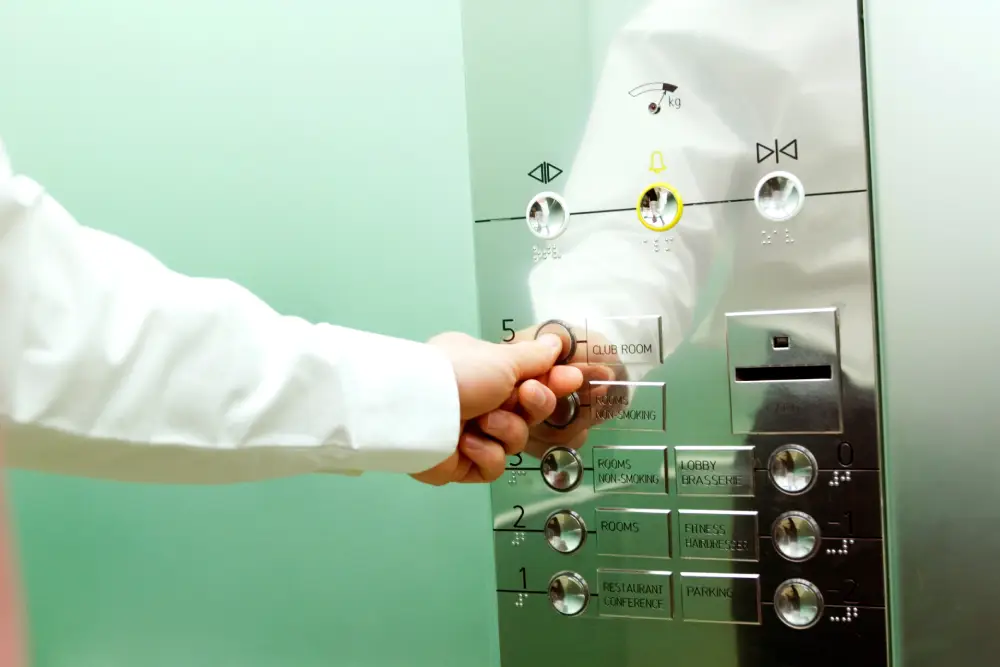
Elevator safety codes establish mandatory technical requirements that protect passengers and workers from mechanical failures, operational errors, and design flaws. Two primary standards govern most of the world’s elevators: ASME A17.1 in North America and EN 81-20 across Europe and other regions.
Why Elevators Are Safe Only Under Strict Regulatory Standards
Elevators move millions of people daily through buildings, making elevator safety standards essential for preventing accidents. Without strict codes, manufacturers could use inferior materials, skip critical safety features, or ignore proper maintenance protocols.
Safety codes define exact specifications for components like doors, brakes, cables, and emergency systems. They require multiple backup systems to prevent free falls if primary mechanisms fail. These standards also mandate regular inspections and testing to catch problems before they cause injuries.
Building owners must comply with these codes during installation and throughout an elevator’s operational life. Jurisdictional authorities enforce compliance through permits, inspections, and certifications. Elevators that don’t meet code requirements cannot legally operate.
The codes update regularly to address new technologies and lessons learned from accidents. This continuous improvement process involves input from manufacturers, safety experts, engineers, and regulators. Each update strengthens elevator safety for buildings worldwide.
The Global Role of ASME A17.1 and EN 81-20
ASME A17.1 serves as the primary elevator safety code throughout the United States and Canada. This comprehensive standard covers elevators, escalators, moving walks, and related equipment in new and existing buildings. It establishes requirements for design, installation, testing, inspection, maintenance, and operation.
EN 81-20 functions as the equivalent standard across European Union countries and many other nations that adopt European codes. Both standards share similar safety objectives but differ in technical specifications, testing methods, and compliance procedures.
These two codes influence elevator safety globally because major manufacturers design equipment to meet both standards. Buildings with international operations often require elevators that comply with whichever code applies to their location. Understanding both standards helps building owners, developers, and facility managers ensure their elevators meet all applicable requirements.
What Is ASME A17.1 / CSA B44?
ASME A17.1 and CSA B44 represent the same safety code published jointly for elevator and escalator equipment across North America. The code sets specific requirements for design, construction, installation, operation, inspection, testing, maintenance, alteration, and repair of vertical transportation systems.
Where Is ASME A17.1 / CSA B44 Used?
ASME A17.1 serves as the primary safety standard throughout the United States and North America. CSA B44 is the Canadian version of the same code, maintaining identical technical requirements.
The code originated from the first model elevator code published in 1917 by the Elevator Manufacturers Association. Today, authorities having jurisdiction across North America adopt ASME A17.1/CSA B44 as their legal safety standard for elevator and escalator regulation.
Local and state building departments enforce this code when reviewing building plans and conducting inspections. The standard has become the accepted guide for the entire vertical transportation industry, from manufacturers to maintenance companies.
What Does ASME A17.1 Regulate?
The code covers elevators, escalators, moving walks, dumbwaiters, material lifts, platform lifts, and chairlifts for people with disabilities. It establishes minimum safety requirements for these devices throughout their entire lifecycle.
Key regulated areas include:
- Equipment design and construction – mechanical components, safety devices, and structural requirements
- Electrical systems – power supplies, wiring, and control systems
- Installation procedures – proper assembly and setup of new equipment
- Inspection and testing – required frequency and procedures for safety checks
- Maintenance requirements – ongoing upkeep to ensure safe operation
- Alteration and modernization – rules for updating existing equipment
The code uses a consensus-based development process involving manufacturers, building owners, technicians, inspectors, and safety experts. This approach ensures that requirements reflect practical industry needs while prioritizing passenger and technician safety.
What Changed in the 2019 and 2022 Updates?
The 2019 edition introduced several important safety improvements based on accident data and technological advances. The 2022 update continued this trend with additional refinements to existing requirements.
Both editions strengthened requirements for communication systems in elevator cars. They also added more specific rules for door safety systems to prevent accidents. The updates clarified existing code language that had caused confusion among inspectors and installers.
The 2025 edition represents the seventh edition of the joint ASME A17.1/CSA B44 code. It supersedes all previous versions including the 2022, 2019, 2016, 2013, 2010, and 2007 editions.
Two-Way Visual Communication Requirements
The code now requires two-way emergency communication systems in elevator cars to include visual capabilities. This requirement helps passengers who are deaf or hard of hearing communicate during emergencies.
Traditional voice-only systems did not provide adequate access for all passengers. The visual component must allow trapped passengers to see emergency personnel and vice versa. This can be achieved through video screens or other visual display technology.
The system must connect to an attended location where help can be dispatched. It must function even during power outages using backup power supplies.
Door Sensor and Detection Requirements
Modern door systems must include multiple detection methods to prevent doors from closing on passengers. The code specifies performance requirements rather than mandating specific technologies.
Door sensors must detect obstructions throughout the entire door opening height. Older systems only protected certain zones, creating dangerous gaps in coverage. The detection must trigger door reopening before significant force is applied.
Both mechanical door edges and electronic sensors can meet these requirements when properly installed. The system must be tested regularly to verify proper operation and sensitivity levels.
What Are EN 81-20 And EN 81-50?

EN 81-20 and EN 81-50 are European safety standards that govern elevator design, construction, and testing. EN 81-20:2014 covers the requirements for building lifts, while EN 81-50:2014 focuses on testing lift components like hoisting machines and buffers.
Where Are EN 81-20 and EN 81-50 Used?
EN 81-20 and EN 81-50 apply to all elevator installations across Europe. The European Committee for Standardization released these standards in August 2014 to replace the older EN 81-1 and EN 81-2 codes from 1998.
As of September 1, 2017, these standards became mandatory for all new lift installations in European countries. Any elevator installed after this date must comply with EN 81-20 and EN 81-50 requirements. The standards also influenced the creation of ISO 8100 series, which adapted these European norms for international use.
Existing elevators that were already in operation needed to meet these updated standards by August 31, 2017. This gave building owners and elevator companies time to make necessary modifications.
How Do EN 81-20 and EN 81-50 Work Together?
EN 81-20:2014 and EN 81-50:2014 work as complementary standards that address different aspects of elevator safety. EN 81-20 sets design and construction requirements for passenger and goods lifts. It specifies how manufacturers must build elevator components and systems.
EN 81-50 focuses on testing and validation of lift components. It establishes procedures for examining parts like hoisting machines, counterweight safety gear, and buffers. The standard ensures that each component meets safety requirements before installation.
Together, these standards create a complete framework for elevator safety. EN 81-20 tells manufacturers what to build, while EN 81-50 tells them how to test it. This two-part approach covers both the creation and verification of safe elevator systems.
What Safety Requirements Did EN 81-20 Introduce?
EN 81-20:2014 introduced several new safety requirements that went beyond the previous standards. The standard updated requirements for car wall and door strength, making them more resistant to impact. It also added new rules for pit refuge spaces to protect maintenance workers.
The standard requires better machine-room access and inspection doors for technician safety. It mandates counterweight safety gear in more situations than before. EN 81-20 also updated requirements for shaft ventilation to prevent excessive heat buildup.
Fire safety received increased attention with stricter material requirements. Car floors, walls, and ceilings must meet specific fire classifications according to EN 13501-1. The standard also added requirements for car roof balustrades to protect workers performing maintenance on top of the elevator car.
Cab Lighting and Emergency Lighting
EN 81-20 sets specific requirements for both car lighting and emergency in-car lighting. The standard requires a minimum lighting level in the elevator cab during normal operation. This ensures passengers can see clearly and safely enter or exit the lift.
Emergency in-car lighting must activate automatically when main power fails. The emergency lighting system must provide enough illumination for passengers to see and communicate. It needs to last long enough for rescue operations to take place.
The standard specifies where lighting fixtures should be placed and how bright they must be. Emergency lighting must remain functional for at least one hour after power loss.
Car Wall and Door Strength
EN 81-20:2014 introduced stricter requirements for car wall and door strength compared to previous standards. The walls and doors must withstand specific impact forces without breaking or deforming excessively. This protects passengers during normal use and emergency situations.
The standard defines testing procedures to verify that walls and doors meet strength requirements. Manufacturers must use materials that can handle both static and dynamic loads. Car doors must maintain their integrity even when objects press against them.
These requirements reduce the risk of passengers falling through weak doors or walls. They also prevent damage during minor impacts or misuse.
Refuge Spaces for Maintenance Technicians
EN 81-20 requires pit refuge spaces to protect maintenance technicians working in the elevator shaft. The pit refuge provides a safe area where workers can stand when the car moves to the lowest position. These spaces must have specific minimum dimensions to accommodate at least one person.
The standard also requires refuge spaces at the top of the shaft in certain configurations. Access doors to these areas must be clearly marked and easy to open from inside. The refuge spaces must be large enough for technicians to work safely without risk of being crushed.
Proper pit refuge design prevents accidents during maintenance and inspection work. The spaces must remain clear and accessible at all times.
What Are The Main Differences Between ASME A17.1 And EN 81-20?
ASME A17.1 and EN 81-20 take different approaches to elevator safety, with ASME being prescriptive and EN 81-20 being performance-based. The codes differ in their requirements for physical spaces, safety systems, and protective features.
How Do the Two Codes Differ in Scope, Clearance, and Refuge Space?
ASME A17.1 applies primarily to elevators in the United States and Canada, while EN 81-20 governs elevator installations across Europe. The scope of each code reflects different regional safety priorities and building practices.
Clearance requirements show notable differences between the two codes. ASME A17.1 typically requires larger overhead clearances in elevator shafts compared to EN 81-20. The top clearance under ASME often needs to be greater to accommodate maintenance work and safety zones.
Refuge space requirements also vary between the codes. EN 81-20 specifies different refuge space dimensions for workers who may need to access the pit or top of car areas. ASME A17.1 includes its own refuge space standards that often differ in measurement and application from the European standard.
The two codes handle unintended car movement differently in their design requirements. ASME A17.1 includes specific provisions for preventing unintended car movement during maintenance and normal operation. EN 81-20 addresses this through its performance-based approach with similar safety goals but different technical specifications.
How Do They Differ in Door Safety, Car Lighting, and Overspeed Protection?
Door safety requirements show clear differences between the two codes. ASME A17.1 requires specific door detection systems on both landing doors and car doors. The code allows for different types of detection, including photocell systems or other approved devices.
EN 81-20 mandates a curtain of light as the primary door protection system. This requirement is more specific than ASME A17.1, which permits various detection methods. The European code sets strict parameters for how the curtain of light must function and what areas it must cover.
Car door locking mechanisms follow different standards under each code. EN 81-20 requires specific locking features that differ from ASME requirements in their technical specifications and testing procedures.
Lighting standards vary between the codes. ASME A17.1 specifies minimum lighting levels for elevator cars, while EN 81-20 sets different illumination requirements based on performance criteria.
Ascending car overspeed protection represents a major difference. EN 81-20 requires an ascending car overspeed governor as a mandatory safety feature. ASME A17.1 does not universally require this protection, though recent versions have moved toward including similar provisions.
Which Elevator Code Applies To Your Building Project?
The location of a building project determines which elevator safety code applies, with ASME A17.1 governing installations in North America and EN 81-20 covering Europe and much of the rest of the world. Manufacturers selling equipment across both markets face the challenge of designing systems that meet two distinct sets of requirements.
How Geography Determines the Applicable Code
Building location is the primary factor that determines which elevator code applies. ASME A17.1 applies to projects in the United States, Canada, and several other countries that have adopted this standard. The code has been harmonized between the U.S. and Canada since 2000, with Canadian installations following CSA B44, which mirrors ASME A17.1 with minor application differences.
EN 81-20 governs elevator installations throughout the European Union and has been adopted by many countries worldwide. This includes nations in Asia, the Middle East, Africa, and South America that base their local regulations on European standards.
Some jurisdictions maintain their own codes but reference either ASME or EN standards as the foundation. Building owners and developers must verify local requirements with the authority having jurisdiction before starting any elevator project. The applicable code version is typically the one in effect at the time of permit application, not installation.
When International Projects Must Follow EN 81-20 or ASME-Based Requirements
International projects require careful analysis of which code applies based on the building location and local regulations. Buildings in EU member states must comply with EN 81-20 as part of the Construction Products Regulation. Projects in former British territories often follow EN standards due to historical ties with European regulatory frameworks.
Export projects from North American manufacturers to international markets frequently require EN 81-20 compliance. Developers working on multi-national projects need to identify the specific requirements for each location. Some countries allow either standard with proper documentation and testing.
The choice of code affects equipment selection, safety features, testing procedures, and maintenance requirements. Projects that fail to identify the correct applicable code during planning face costly redesigns and delays.
Why Mixed-Market Manufacturers Must Engineer for Multiple Standards
Manufacturers serving both North American and international markets must design elevator systems that can meet either ASME A17.1 or EN 81-20 requirements. This dual compliance approach requires engineering teams to understand the technical differences between the codes. Key areas of divergence include machine room requirements, car enclosure specifications, and safety system designs.
Many manufacturers create platform designs with modular components that can be configured for either standard. This approach reduces development costs while maintaining compliance flexibility. The engineering burden includes maintaining separate testing protocols, documentation packages, and certification records for each market.
Components like controllers, safety circuits, and door operators often need different specifications depending on the target market. Manufacturers must track which code versions apply in different regions since adoption timelines vary by jurisdiction.
Why Is Elevator Code Compliance Critical?
Elevator code compliance protects building occupants, prevents costly project delays, and shields property owners from legal liability. Non-compliance can halt construction schedules, expose facilities to lawsuits, and leave entrapped passengers without proper emergency systems.
How Non-Compliance Delays Inspections and Opening Dates
Building inspectors will not approve elevator systems that fail to meet current code requirements. A failed inspection forces contractors to make corrections before scheduling a re-inspection, which can push back opening dates by weeks or months.
Delays compound quickly when multiple violations exist. Each identified issue requires documentation, parts ordering, installation, and verification testing. Projects near completion often face the most severe setbacks because elevator compliance is typically checked late in the construction phase.
Local authorities require third-party inspections before issuing certificates of occupancy. Without these certificates, buildings cannot legally open for business or residential use. Some jurisdictions impose daily fines on properties that operate elevators without proper compliance documentation, adding financial pressure to timeline delays.
How Compliance Reduces Legal and Financial Risk
Property owners face significant liability when elevators injure passengers due to code violations. Courts consistently rule against building operators who fail to maintain systems according to established safety standards. A single lawsuit from an injury can cost hundreds of thousands of dollars in settlements and legal fees.
Insurance companies often deny claims related to accidents involving non-compliant equipment. Policies typically require adherence to ASME A17.1 or EN 81-20 standards as a condition of coverage. Entrapped passengers who suffer injuries in elevators lacking proper emergency communication systems represent particularly high-risk scenarios for litigation.
Regular compliance reduces maintenance costs over time. Systems maintained to code specifications experience fewer breakdowns and require less emergency repair work, which typically costs three to five times more than scheduled maintenance.
Why Modernization Projects Often Trigger Code Upgrades
Building codes operate under a principle called “triggered compliance,” where any substantial alteration requires the entire system to meet current standards. Replacing major components like controllers, hoisting machinery, or door operators activates this requirement even if owners only intended to fix one element.
The scope of required upgrades depends on local jurisdiction interpretations. Some authorities require full code compliance when modernization costs exceed 50% of replacement value. Others trigger upgrades based on specific component categories regardless of project cost.
Facility managers must budget for these cascading requirements when planning elevator improvements. A project that starts as a simple controller replacement can expand to include new emergency power systems, updated fire service controls, and seismic safety modifications to satisfy current code editions.
How Can A Manufacturer Support ASME And EN 81-20 Compliance?
Manufacturers need specific engineering resources, testing facilities, and certified product lines to meet both North American and European elevator standards. The right approach involves adapting designs to regional requirements while maintaining quality across different markets.
What Engineering and Testing Capabilities Matter Most?
Manufacturers must maintain separate testing protocols for ASME A17.1 and EN 81-20 standards. Each code requires different safety tests for components like door locks, buffers, and emergency braking systems.
Testing facilities need equipment to verify both standards. This includes load testing equipment, safety gear verification tools, and electrical system analyzers. Many manufacturers establish labs that can run parallel tests for both codes.
Engineering teams should understand the key differences between the standards. ASME A17.1 focuses on prescriptive requirements that specify exact component designs. EN 81-20 uses performance-based criteria that allow more design flexibility as long as safety goals are met.
Documentation systems must track compliance for each market separately. This includes material certifications, test reports, and design calculations specific to each standard. Manufacturers often create dual documentation sets for products sold in multiple regions.
How Joylive Supports Global Compliance Requirements
Joylive designs elevator components that meet both ASME and EN 81-20 requirements. The company maintains testing facilities equipped to verify compliance with North American and European standards.
The engineering team adapts product designs to match regional code differences. This includes modifications to safety circuits, door mechanisms, and control systems based on market requirements.
Joylive works with third-party certification bodies to validate products against both standards. These partnerships ensure components receive proper approval for use in different markets. The company maintains ongoing relationships with certifiers familiar with ASME and EN standards.
Which Joylive Certifications and Product Lines Support Different Project Types?
Joylive offers certified door operators, control systems, and safety components for both code frameworks. Products carry markings that identify which standards they meet.
The residential elevator line includes components certified primarily for ASME A17.1 projects. These products serve the North American market with appropriate load ratings and safety features.
Commercial product lines often carry dual certifications. This allows contractors to use the same components across international projects. The company provides specification sheets that clearly list applicable standards for each product.
Joylive also supplies EN 81-20 specific components for European projects. These products include features required by European codes but not mandated by ASME standards.
How Do You Choose A Compliant Elevator Manufacturer?
Selecting an elevator manufacturer requires checking their certifications and understanding which safety codes they follow. The wrong choice can lead to compliance issues, failed inspections, and costly retrofits.
Questions to Ask Before Selecting an Elevator Supplier
Building owners need to confirm which code the manufacturer uses before signing any contract. The first question should clarify whether the elevator meets ASME A17.1 standards, EN 81-20 standards, or both. This matters because some manufacturers only design for one market.
Ask for proof of third-party certification. Look for documentation showing that independent testing agencies have verified the elevator’s compliance with relevant safety codes. These certifications should cover the complete system, not just individual components.
Request details about the manufacturer’s testing procedures. They should explain how they verify door operation, emergency systems, and safety features during production.
Find out if the manufacturer provides compliance documentation for local building inspectors. This includes technical specifications, test reports, and installation guidelines that match the applicable code.
Check whether the supplier offers support for code updates. Safety standards change over time, and the manufacturer should have a plan for addressing future revisions.
Why Compliance Capability Should Be Verified Before Procurement
A manufacturer’s compliance capability directly affects project timelines and costs. Choosing a supplier without proper certifications can delay building occupancy permits by months while corrections are made.
Non-compliant elevators create liability risks for building owners. If an accident occurs and the elevator doesn’t meet code requirements, insurance claims may be denied and legal consequences can follow.
Retrofitting an elevator to meet code after installation costs significantly more than buying a compliant system initially. The work often requires replacing major components, not just small adjustments.
Building inspectors will reject installations that don’t meet local code requirements. This creates expensive delays and can damage relationships with tenants or buyers waiting to occupy the building.
Frequently Asked Questions
ASME A17.1 and EN 81-20 differ in their technical requirements, testing procedures, and regulatory frameworks. These differences affect everything from design specifications to ongoing maintenance obligations.
What are the major differences between ASME A17.1 and EN 81-20 elevator safety codes?
ASME A17.1 serves as the primary safety standard for elevators in North America, while EN 81-20 governs elevator safety across European Union member states. The codes originated from different regulatory bodies and reflect distinct approaches to safety.
ASME A17.1 provides prescriptive requirements that specify exact methods and components for achieving safety. EN 81-20 takes a more performance-based approach that focuses on end results rather than specific methods.
The codes differ in their treatment of elevator car sizes, door operations, and machine room requirements. ASME A17.1 allows for more variation in machine room placement and design. EN 81-20 has stricter requirements for certain safety components like car enclosures and landing doors.
Emergency communication systems follow different protocols under each code. ASME A17.1 requires two-way voice communication in elevator cabs. EN 81-20 mandates alarm systems but provides more flexibility in communication methods.
How do compliance requirements for ASME A17.1 compare with those for EN 81-20?
ASME A17.1 compliance involves initial certification followed by regular inspections conducted by authorized inspectors. Most jurisdictions in the United States require annual inspections. Some areas mandate more frequent inspections based on elevator usage and building type.
EN 81-20 compliance requires third-party notified body involvement throughout the elevator lifecycle. This includes design phase approval, manufacturing oversight, and installation verification. The European system places greater emphasis on documented quality management systems.
Testing procedures differ between the two standards. ASME A17.1 specifies particular test methods and acceptance criteria for components. EN 81-20 allows for alternative testing methods if they demonstrate equivalent safety levels.
Documentation requirements are more extensive under EN 81-20. Manufacturers must maintain detailed technical files and declarations of conformity. ASME A17.1 focuses more on operational records and inspection reports.
Can an elevator system be certified to both ASME A17.1 and EN 81-20 standards simultaneously?
Dual certification is possible but requires careful design planning. An elevator can meet both standards if it incorporates the most restrictive requirements from each code.
The main challenge lies in conflicting technical specifications. Some requirements directly contradict each other, making simultaneous compliance difficult without design modifications. Manufacturers typically need to add redundant safety features to satisfy both codes.
Door systems present one of the biggest obstacles to dual certification. The codes specify different closing forces, timing requirements, and safety edge behaviors. Elevator cars may need adjustable parameters to switch between compliance modes.
Machine room requirements also create complications. ASME A17.1 permits machine-room-less designs more readily than EN 81-20. Dual-certified systems often include machine rooms to satisfy EN 81-20 even when ASME A17.1 would not require them.
What are the implications for global manufacturers looking to meet both ASME A17.1 and EN 81-20?
Global manufacturers face increased development costs when designing for both markets. They must conduct separate testing protocols and maintain distinct documentation packages. Engineering teams need expertise in both regulatory frameworks.
Component sourcing becomes more complex with dual requirements. Manufacturers often need to maintain separate supply chains for North American and European markets. Some parts require different certifications or materials based on the target market.
Product development timelines extend when addressing both standards. Manufacturers must account for different approval processes and inspection requirements. The European notified body process typically takes longer than North American certification procedures.
Many manufacturers develop platform designs that can be adapted for either market. This approach reduces some redundancy but still requires market-specific modifications. Software and control systems need programming flexibility to accommodate different safety parameters.
Which safety features are uniquely mandated by ASME A17.1 that are not required by EN 81-20?
ASME A17.1 requires specific fire service operation modes not found in EN 81-20. These include Phase I recall to a designated floor and Phase II manual operation by fire personnel. The code specifies exact key switch locations and operational sequences.
Seismic protection requirements are more detailed under ASME A17.1 in earthquake-prone regions. The code mandates specific counterweight safeties and retainer plates. These features address the unique seismic risks in parts of North America.
Emergency power operation follows distinct protocols in ASME A17.1. The code requires automatic transfer to emergency power with specific car loading calculations. EN 81-20 addresses emergency power differently through its rescue operation requirements.
Escalator safety features show notable differences. ASME A17.1 includes specific requirements for skirt deflector brushes and combplate impact switches. The code also mandates certain step demarcation standards not explicitly required by EN 81-20.
How does the approach to risk assessment differ between ASME A17.1 and EN 81-20?
EN 81-20 incorporates formal risk assessment as a fundamental design principle. Manufacturers must document identified hazards and demonstrate how design choices mitigate risks. This process aligns with broader European machinery directive requirements.
ASME A17.1 takes a more prescriptive approach without mandated formal risk assessment. The code assumes that compliance with specific requirements achieves acceptable safety levels. Risk assessment occurs indirectly through the committee process that updates code requirements.
The European standard requires ongoing risk evaluation when modifications occur. Any change to an elevator system triggers a new assessment of potential hazards. ASME A17.1 distinguishes between repairs, alterations, and modernizations with different compliance paths.
Documentation of risk decisions differs significantly between the codes. EN 81-20 requires written justification for design choices and safety measures. ASME A17.1 focuses on compliance verification rather than design rationale documentation.
Want to Know More About Our Products?
View All Products Now