Elevator Replacement Cost Guide: Pricing, Types, and Factors Explained
Jump to section
Replacing an elevator is one of the largest capital expenses a building owner will face, typically requiring careful planning and a clear understanding of budget requirements. Most elevator replacement projects cost between $100,000 and $350,000, depending on the type of system, number of stops, installation complexity, and regional labor rates. The price varies based on whether the project involves a basic hydraulic unit for a low-rise building or a machine-room-less traction system for a multi-story structure.
Understanding what drives these costs helps building owners make informed decisions and avoid unexpected expenses. The total budget includes the elevator unit, installation labor, equipment and materials, permits, old unit removal, and initial maintenance setup. Each component contributes to the final price, and choices made early in the planning process can affect the bottom line.
This guide breaks down the major cost factors, compares different elevator types and their price implications, and explores when replacement is a better option than modernization or ongoing repairs. Building owners will find practical budget ranges, real-world examples, and strategies to manage costs without compromising safety or performance.
Elevator Replacement Costs and Budget Breakdown
Replacing an elevator typically costs between $100,000 and $350,000 depending on the unit type, installation requirements, and building specifications. The final price depends on elevator capacity, the number of stops, and whether extensive hoistway work is needed.
Typical Price Ranges and What to Expect
The cost to replace an elevator varies based on system complexity and building needs. A basic hydraulic unit for a low-rise building generally runs $90,000 to $180,000 installed. Mid-range traction systems for buildings with 5-6 stops usually cost $180,000 to $260,000.
High-capacity machine-room-less (MRL) systems for taller buildings often exceed $250,000. Projects requiring significant structural modifications or specialized features can reach $350,000 or more.
Most elevator replacement projects include the unit, labor, equipment, permits, and old elevator removal. Additional costs arise from hoistway modifications, upgraded safety systems, or premium cab finishes. Building owners should budget for contingencies of 10-15% to cover unexpected site conditions.
Cost Estimates by Elevator Types
Hydraulic elevators are the most affordable option for buildings up to 4-5 stories. These systems cost $90,000 to $180,000 and work well for low-rise residential or commercial properties. They require a machine room and operate more slowly than traction systems.
Traction elevators suit mid-rise and high-rise buildings. Standard traction units cost $150,000 to $280,000 depending on capacity and travel height. They offer faster speeds and better energy efficiency than hydraulic models.
Machine-room-less (MRL) systems eliminate the need for a separate machine room by placing equipment in the hoistway. These units cost $200,000 to $350,000 or more. MRL systems save building space and reduce construction complexity in new installations or major renovations.
Key Factors Affecting the Cost to Replace an Elevator
Several variables drive the cost of replacing an elevator. The number of stops directly affects price, with each additional floor adding $1,000 to $3,000 in equipment and installation costs.
Hoistway condition plays a major role in total expense. Existing shafts needing rail replacement, pit modifications, or structural reinforcement increase both materials and labor. Buildings with non-standard dimensions require custom components.
Capacity and speed requirements influence unit selection and price. Higher weight capacities and faster travel speeds require more robust equipment. Safety features like emergency communication systems, backup power, and advanced door protection add $5,000 to $20,000.
Labor rates vary by region and project complexity. Installation typically requires 120 to 260 crew hours at $70 to $180 per hour. Permits and code compliance add $1,500 to $15,000 depending on local requirements. Some jurisdictions mandate stricter inspections or specialized certifications that extend timelines and increase costs.
Essential Cost Components and System Considerations
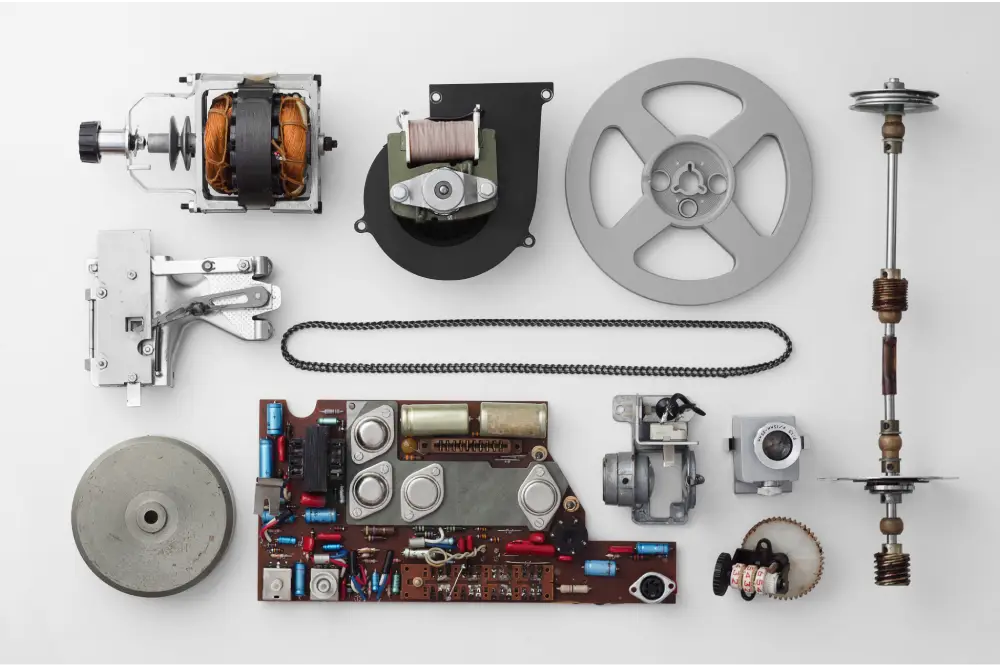
Elevator replacement costs break down into three major categories: the equipment itself, the labor and permits required to install it, and the structural considerations of the building. The machine room configuration and shaft condition affect what equipment you can install and how much the project will cost.
Elevator Parts and Materials
The elevator motor is one of the largest equipment expenses in a replacement project. Traction motors for rope-based systems cost $60,000 to $80,000, while hydraulic power units run $30,000 to $50,000. MRL (machine room-less) elevators eliminate the separate motor room by placing compact equipment in the shaft itself.
The elevator control system coordinates all movements and safety functions. Modern controllers cost $50,000 to $70,000 and include digital displays, diagnostics, and code-compliant safety features. Older systems lack replacement parts, which forces a full upgrade rather than simple repairs.
Key equipment components include:
- Door operators: $20,000-$23,000
- Hoist ropes and cables: $3,000-$8,000
- Guide rails and brackets: $8,000-$15,000
- Safety devices and sensors: $2,000-$4,000
- Car platform and panels: $15,000-$25,000
The cab interior adds another layer of cost. Basic finishes start around $10,000, while custom materials and lighting can push that figure to $30,000 or more.
Installation, Labor, and Permits
Labor typically accounts for 30-40% of total replacement cost. Union requirements in major cities increase rates compared to rural areas. A standard installation takes 4-6 weeks with crews working on shaft preparation, equipment rigging, electrical connections, and testing.
Permits vary by jurisdiction but generally cost $2,000 to $8,000. Some cities require separate electrical, mechanical, and building permits. The inspection process adds time and potential revision costs if work doesn’t meet code on first review.
Crane rental for equipment delivery runs $3,000 to $10,000 depending on building access. Buildings without loading docks or nearby crane positions face higher rigging costs. After-hours work to avoid disrupting building operations increases labor rates by 20-50%.
Role of Machine Room and Elevator Shaft
The machine room houses the elevator motor, controller, and related equipment in traditional installations. Existing machine rooms reduce costs since the space already meets ventilation, electrical, and access requirements. Buildings without machine rooms must either create one or install an MRL elevator.
The elevator shaft must meet current code dimensions. Older shafts often need modifications for modern equipment clearances and safety requirements. Shaft repairs for damaged guide rails, deteriorated walls, or inadequate pit depth add $15,000 to $40,000 to the project.
MRL elevators work well in buildings with limited overhead space or no machine room. The equipment mounts on the shaft walls or car frame, saving the cost of dedicated machine room construction. However, MRL systems require specific shaft dimensions and may not fit in older buildings without shaft modifications.
Popular Elevator Solutions: Types and Their Impact on Costs
The type of elevator chosen directly affects both upfront costs and long-term operating expenses. Hydraulic systems offer lower initial prices but have height limits, traction units excel in taller buildings with energy efficiency, and freight elevators require specialized components that push budgets higher.
Hydraulic Elevators: Pros, Cons, and Budgeting
Hydraulic elevators use a piston and cylinder system to lift the cab. They work well in buildings up to 5-6 stories and cost less to install than traction systems. A basic hydraulic replacement typically ranges from $90,000 to $180,000 for residential or light commercial use.
Key advantages include simpler installation, no machine room required in many designs, and lower upfront equipment costs. The system operates quietly and requires less complex hoistway preparation than traction units.
Drawbacks include higher energy consumption and limited travel height. The hydraulic fluid needs maintenance and can be affected by temperature extremes. Speed is typically capped at 150 feet per minute, making them less suitable for buildings where fast travel matters.
Budget planning should account for oil disposal during replacement and potential pit depth modifications. Installation labor usually costs $20,000 to $60,000 depending on site conditions.
Traction Elevators and Regenerative Drives
Traction elevators use steel ropes and counterweights to move the cab. They handle taller buildings above 6-7 stops and offer faster speeds than hydraulic systems. Replacement costs typically run $180,000 to $350,000 depending on capacity and controls.
Machine-room-less (MRL) traction designs eliminate the need for a separate equipment room, reducing structural requirements and building footprint. These systems cost 10-15% more than traditional traction units but save on construction modifications.
Regenerative drives capture energy during descent and braking, feeding it back into the building’s electrical system. This feature reduces operating costs by 25-35% compared to standard drives. The technology adds $8,000 to $20,000 to the upfront price but pays back through lower utility bills.
Traction systems require more precise installation and specialized technicians. Projects with advanced controls, luxury cab finishes, or enhanced safety features push total costs toward the high end of the range.
Freight Elevators and Special Applications
Freight elevators handle heavy loads and require reinforced components throughout the system. Capacity ranges from 2,500 to 10,000+ pounds, with larger units demanding stronger rails, motors, and structural support. Replacement costs start around $150,000 and can exceed $400,000 for high-capacity industrial models.
Load requirements drive the price more than passenger count. A 5,000-pound freight elevator costs 30-50% more than a comparable passenger unit due to heavier-duty doors, thicker cab floors, and upgraded drive systems.
Specialized applications include temperature-controlled units for food service, explosion-proof designs for chemical plants, and pit-less configurations for shallow foundations. Each modification adds $15,000 to $60,000 depending on complexity. Permit costs also rise because freight elevators face stricter safety inspections and load testing requirements in most jurisdictions.
Comparing Replacement, Modernization, and Repair Options
Building owners face three main options when their elevator needs attention. The right choice depends on equipment age, the scope of current problems, and how long the building will keep the system.
When to Repair Versus Replace
Elevator repair makes sense when issues are isolated to single components. Door operators, fixtures, and leveling problems typically cost $2,500 to $10,000 to fix. These repairs work well for equipment under 15 years old with good maintenance history.
Major repairs get more complicated. Controller boards and hydraulic jack work can reach $25,000 or more. At this price point, building owners need to compare repair costs against modernization.
Elevator replacement becomes necessary when equipment exceeds 30 years or when parts are no longer available. Buildings with obsolete proprietary systems often face this situation. The existing controller won’t interface with modern components, forcing a complete system change.
Elevator Modernization Factors
Elevator modernization updates key components while keeping the existing hoistway and structural elements. Hydraulic systems typically cost $75,000 to $200,000 per unit. Traction systems run $150,000 to $450,000 depending on building height and scope.
The age of existing equipment drives modernization costs more than any other factor. Equipment over 25 years old often needs cascading replacements because new controllers won’t work with old fixtures. Code compliance adds another layer. Projects frequently trigger required upgrades for firefighter service, door restrictors, and ADA compliance.
Buildings with 2-6 stops using hydraulic systems see lower modernization costs than traction buildings. The simpler mechanics mean fewer components to replace. Traction systems require machine replacement, new ropes, and governor updates that increase project scope.
Long-Term Value and Maintenance Planning
Modernization extends elevator life by 15-20 years. Replacement can last 25-30 years with proper maintenance. The extra upfront cost of replacement buys a longer service life and better warranty coverage.
Modern traction systems with regenerative drives cut energy use by 30-50% compared to older hydraulic units. Maintenance costs also drop because newer equipment has better diagnostics and more available parts.
Property value responds to elevator condition. Buildings with recently modernized or replaced elevators command higher rents and sale prices. The investment pays back through reduced service calls, fewer tenant complaints, and improved building reputation.
Frequently Asked Questions
What factors most influence the total cost to replace an elevator?
The elevator type makes the biggest difference in price. Hydraulic systems cost less upfront but work best for low-rise buildings. Traction and machine-room-less systems handle more floors and come with higher price tags.
Building height and the number of stops directly affect costs. Each additional floor requires more rails, wiring, and labor hours. A six-stop elevator costs more than a three-stop unit because of the extra materials and installation time.
The condition of the existing hoistway shapes the budget. If the shaft needs structural repairs, new supports, or pit modifications, labor and materials climb quickly. Buildings with outdated infrastructure may need significant prep work before the new elevator goes in.
Cab finishes and control systems add to the total. Basic interiors keep costs down, while custom panels, premium lighting, and advanced controls push prices higher. Safety features like door sensors and emergency systems are standard but can vary in sophistication.
Local permits and inspections vary by region. Some jurisdictions require extensive documentation and multiple inspections, which add fees and delay timelines. Labor rates also differ across the country, with coastal metros typically charging more than inland markets.
How much does it typically cost to replace a residential elevator in a private home?
Residential elevator replacement usually runs between $25,000 and $180,000. Basic hydraulic units for two or three stops often start around $25,000 to $60,000 when installation is straightforward and no major hoistway work is needed.
Mid-range systems with upgraded cab finishes and better controls typically cost $60,000 to $120,000. These projects include moderate site prep and standard permitting. Machine-room-less units or systems with premium features can reach $120,000 to $180,000 or more.
Labor accounts for a significant portion of the budget. Mechanical installers and electricians bill by the hour, and residential projects may take several weeks to complete. Tight spaces or complex wiring increase labor hours and drive up costs.
Permitting requirements depend on local codes. Some areas have strict residential elevator rules that require engineering reviews and multiple inspections. These extra steps add both time and fees to the project.
How does the replacement cost change for a commercial elevator in a 3-story versus a 4-story building?
A three-story commercial building typically needs a four-stop elevator, while a four-story building requires five stops. Each additional stop adds about $1,000 to $3,000 for extra rails, wiring, and installation.
The base cost for replacing an elevator in a three-story commercial building usually ranges from $90,000 to $180,000. This covers a standard hydraulic or traction unit with moderate capacity and a basic cab. Installation includes hoistway preparation, electrical work, and permits.
A four-story building generally sees costs increase to $110,000 to $220,000. The extra floor requires more materials and longer installation. Taller buildings may also need stronger drive systems or higher-capacity units, which can raise equipment costs.
Commercial projects have stricter code requirements than residential jobs. More floors can mean more inspections and more complex permitting. Buildings with heavy traffic or special uses may need upgraded safety systems and controls.
Want to Know More About Our Products?
View All Products Now